 yoga-mahendra
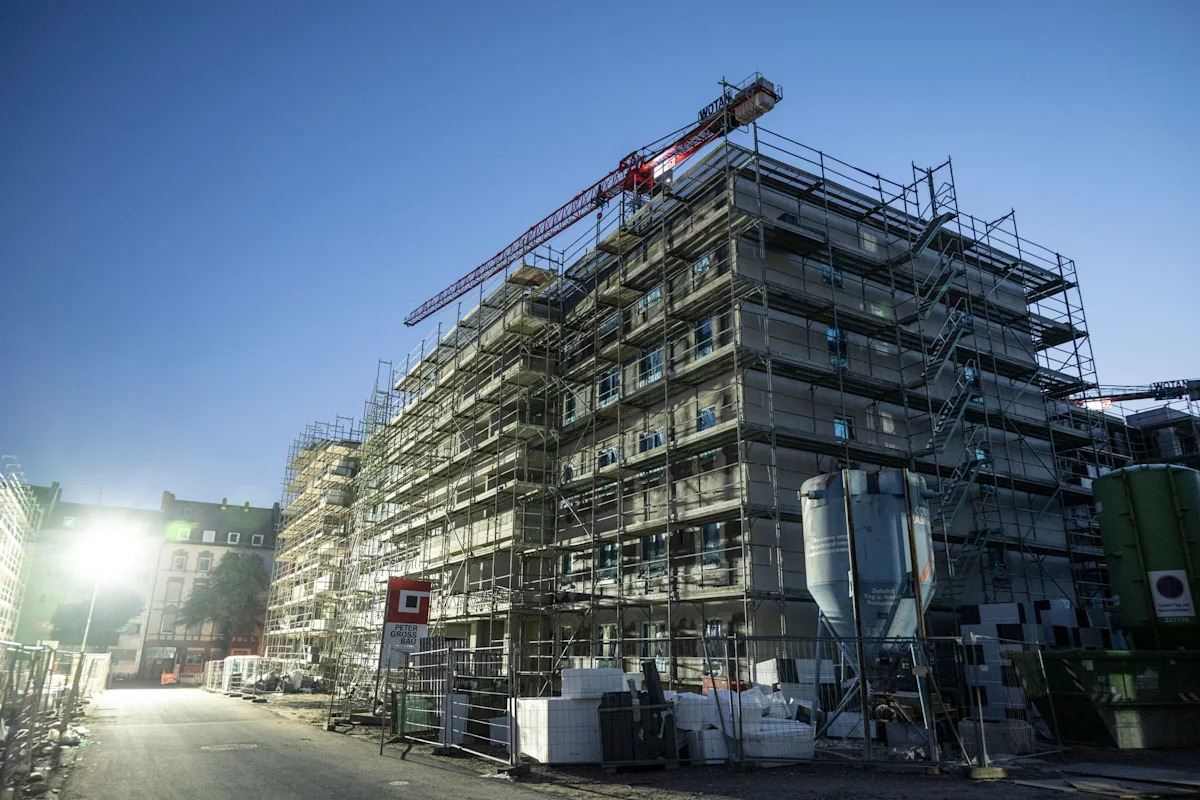
A prolonged crisis in residential construction has shaved roughly 0.6 percentage points off Germany's gross domestic product, according to a new study examining the fallout from the country's deepening housing shortage.
The finding underscores that Germany's building troubles are no longer just a social policy concern about scarce and expensive apartments. They have become a measurable drag on Europe's largest economy, weighing on output, investment, and employment.
Germany's construction sector slid into its current slump after years of buoyant activity. When interest rates were near zero, cheap financing fueled a homebuilding boom, and developers launched projects at a rapid clip. That dynamic reversed abruptly as central banks raised borrowing costs to fight inflation, sending financing costs soaring almost overnight.
Builders were simultaneously squeezed by sharply higher prices for materials such as steel, cement, and timber, along with rising wages for skilled workers. Stricter energy-efficiency requirements and lengthy permitting procedures added further cost and complexity to new projects.
The result has been a steep pullback in activity. Building permits and construction starts have fallen markedly, and many developers have shelved planned projects altogether. With property prices stalling, established business models that depended on continued price growth stopped working, leaving firms unable to complete projects profitably.
According to the study, the cumulative effect of this downturn amounts to a loss of about 0.6 percentage points of GDP. That figure reflects not only reduced value added in the construction industry itself but also spillover losses for suppliers, skilled trades, architects, and related service providers.
The damage compounds an already acute housing shortage. Germany has repeatedly fallen short of official ambitions to build several hundred thousand new homes each year, particularly in fast-growing cities where demand for affordable accommodation far outstrips supply.
For households, the consequences are tangible. Rents have been climbing in most major metropolitan areas, competition for available flats has intensified, and lower-income families are increasingly priced out of urban housing markets.
The construction downturn also carries labor market risks. The sector directly employs well over two million people in Germany, and industry associations have warned of rising insolvencies and job cuts if order books remain empty through a prolonged period of weak demand.
The study is likely to intensify pressure on policymakers to act. Proposals under discussion include cutting bureaucratic hurdles, accelerating approval processes, recalibrating subsidy programs, and finding ways to make new construction financially viable again at current interest rate levels.
Economists caution that a genuine recovery will depend largely on financing conditions and confidence. If borrowing costs ease and expectations for property values stabilize, stalled projects could be revived, restoring momentum to the sector.
Until then, the analysis suggests, the housing crisis will remain more than a social problem — it will continue to act as a brake on Germany's overall economic performance, costing the country measurable growth with every year that homebuilding falls short. --- END ---






Comments (0)