 yoga-mahendra
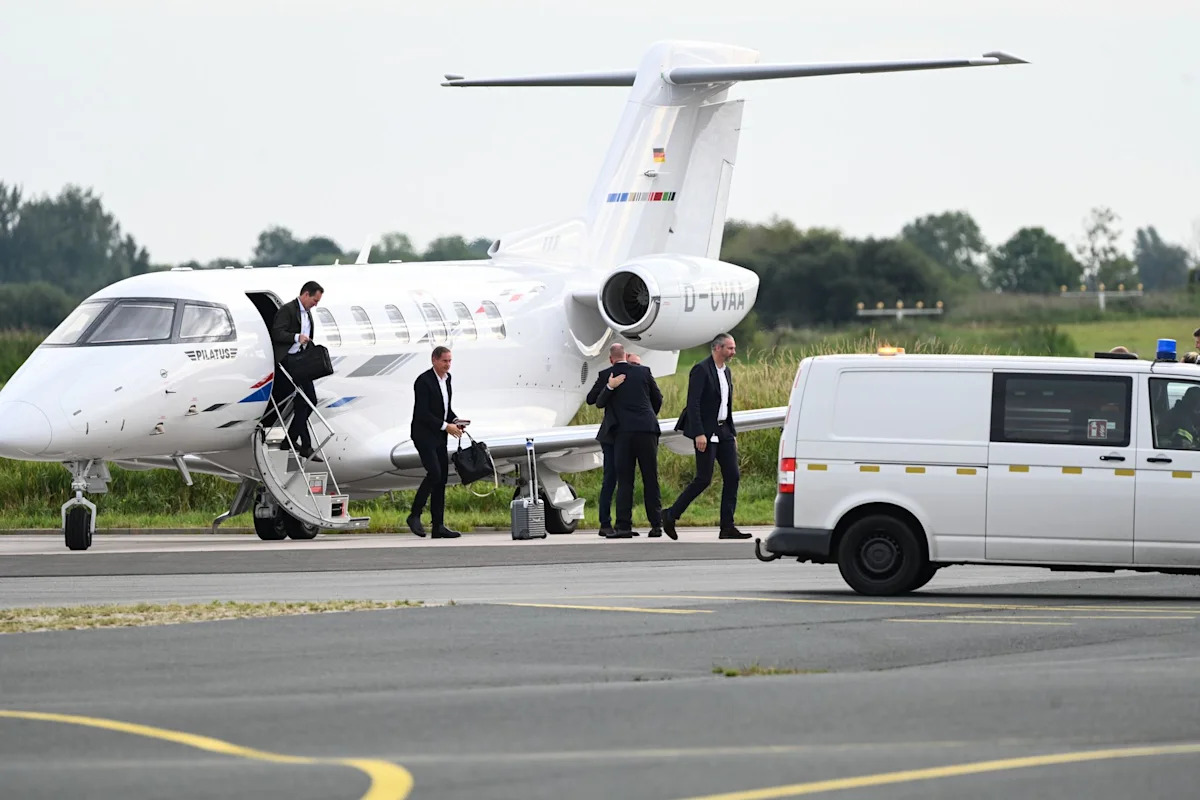
Volkswagen Chief Executive Oliver Blume traveled to the northern German city of Osnabrück this week to face employees at the plant the carmaker has slated for the end of vehicle production, delivering a blunt message: unless Germany becomes cheaper and faster to build cars in, even iconic factories cannot count on a future.
The visit came shortly after management confirmed plans to wind down assembly of the T-Roc Cabriolet at Osnabrück by mid-2027, with no successor product currently assigned to the site. Volkswagen said it is examining every option for the plant's future, including finding an outside buyer, converting the facility to other industrial uses, or ultimately closing it — an unusually stark scenario for a company that, until barely a year ago, insisted no German plant would ever be shut.
Roughly 2,500 people work at Osnabrück, a site with roots in convertible manufacturing stretching back decades to the coachbuilder Karmann, which Volkswagen absorbed in 2009. The factory has specialized in open-top models and has at times built vehicles for other brands within the group, making its narrow product focus both its pride and its vulnerability now that its main model line is being retired.
Addressing the workforce, Blume reportedly acknowledged what managers have argued internally for months: that energy prices, labor costs and regulatory burdens have made Germany one of the most expensive places in the world to manufacture automobiles. He cautioned that the group's priority must be restoring competitiveness rather than preserving structures that lose money, warning that complacency would endanger far more jobs than any single restructuring decision.
Labor representatives reacted furiously. Works council leaders accused management of tearing up the spirit of the agreement struck with unions less than two years ago, which was presented publicly as a guarantee of the company's German footprint. They vowed to resist any sale or shutdown and demanded that Volkswagen invest in alternative products for the site before considering its disposal.
That December 2024 settlement ended months of escalating confrontation, including warning strikes across German plants, and spared the company its first-ever factory closures on home soil. Under the deal, Volkswagen committed to cutting more than 700,000 units of annual capacity and reducing around 35,000 jobs in Germany by 2030, largely through voluntary measures such as buyouts and early retirement schemes. Osnabrück's long-term role, however, remained unresolved because its convertible niche had no committed follow-on program.
The pressure on the brand has only intensified since. European car demand remains well below pre-pandemic levels, the shift to electric vehicles has been slower than planners anticipated, and Chinese manufacturers are competing aggressively on price and technology in markets worldwide. Volkswagen's core namesake brand, which generates the bulk of group volume, has seen margins squeezed to levels executives describe as unsustainable, forcing repeated rounds of cost discipline across development, production and administration.
Politics looms over the outcome. The state of Lower Saxony, where Osnabrück lies, holds a 20 percent stake in Volkswagen that carries a blocking minority over major decisions, and state leaders have pushed publicly for a solution that preserves industrial employment. Any attempt to sell or shutter the plant would therefore require navigating both worker opposition and shareholder politics inside Europe's largest carmaker.
Analysts see few easy answers. Contract manufacturing for third parties, component work or logistics functions could keep some activity alive, but nothing on the scale of current employment. For the region's workers, and for a German industrial model already under visible strain, the weeks ahead will show whether the compromise that saved Volkswagen's plants in 2024 can extend to one of its smallest sites.
--- END ---






Comments (0)