 yoga-mahendra
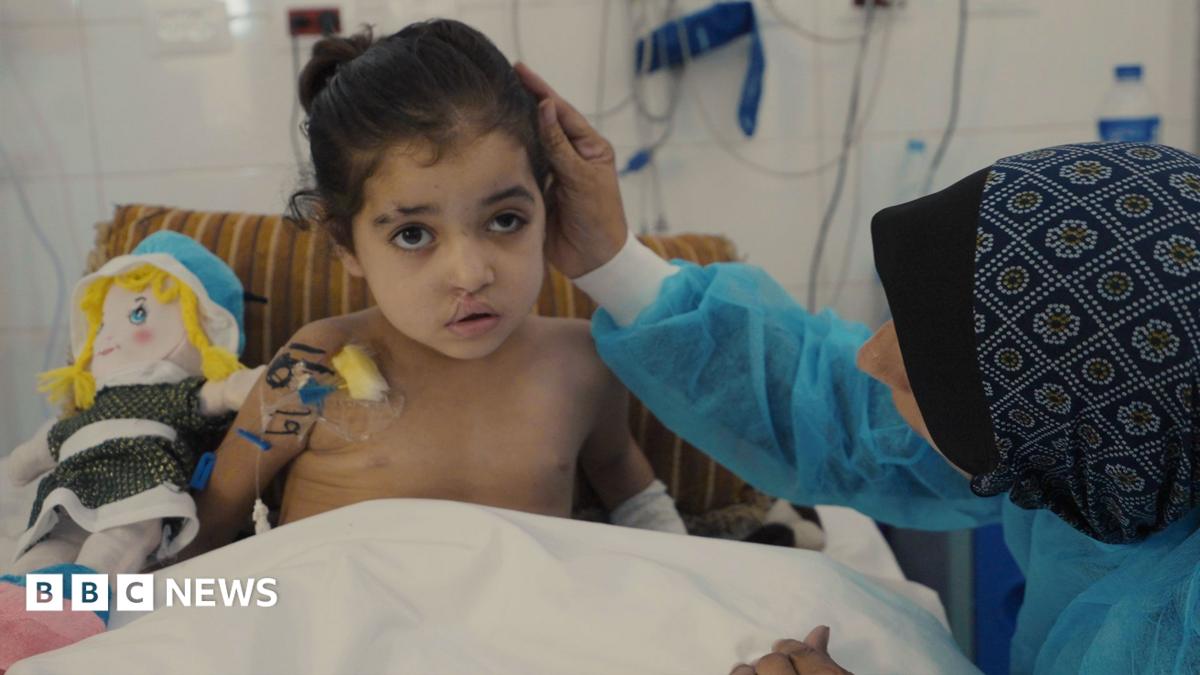
A six-year-old girl in Gaza has undergone more than 20 surgical procedures since she was injured in an Israeli air strike in late July, according to reporting by BBC Eye Investigations that has followed her case across the summer months. Raseel al-Balawi's ordeal reflects the broader collapse of medical care in the territory, where doctors are struggling to treat complex wounds under conditions of near-total infrastructural destruction.
Witnesses to the incident say the tent where Raseel was staying in the al-Mawasi camp, a designated humanitarian zone along Gaza's southern coast, was struck by fire from an Israeli helicopter. The attack came without warning, according to accounts provided to the BBC, and left the young girl with severe injuries that have required repeated interventions in an attempt to bring recurring infections under control.
Israel's military, when asked about the strike, stated it has no record of the attack and added that it "regrets any harm to civilians." The response is consistent with the military's standard position on incidents in which its forces are alleged to have harmed non-combatants, though the lack of a formal acknowledgement leaves questions about the attack's circumstances unresolved.
The BBC's investigation has tracked Raseel's case from the immediate aftermath of the strike through months of treatment, documenting the difficulties doctors face as they attempt to manage wounds that would ordinarily heal with adequate care. Instead, physicians in Gaza are operating in facilities that lack reliable electricity, clean water, and sufficient supplies of antibiotics and surgical materials, making even routine procedures hazardous.
Al-Mawasi, where the strike occurred, had been repeatedly described by Israeli authorities as a safe area to which civilians should flee. Tens of thousands of displaced Palestinians have crowded into the coastal strip, living in makeshift tents with limited access to sanitation, food, and medical services. The designation of such zones as safe has been questioned by aid organisations, which note that strikes have nonetheless occurred in or near them.
For children like Raseel, the cumulative effect of repeated surgeries is both physical and psychological. Each operation carries its own risks, particularly when performed in environments where infection control is compromised. Prolonged hospital stays, separation from family members, and the constant pain associated with chronic wounds can leave lasting developmental and emotional scars.
The World Health Organization and other medical bodies have warned repeatedly that Gaza's health system is operating far beyond its capacity. Hospitals have been damaged or destroyed, generators run short of fuel, and medical staff work under extreme stress, often without pay or adequate rest. The result is a system that cannot provide the standard of care that patients with complex injuries require.
Doctors treating Raseel have told the BBC that the infections in her wounds are persistent and difficult to eliminate. Without access to specialised microbiological testing and a consistent supply of the correct antibiotics, clinicians are forced to make educated guesses about treatment, which can prolong recovery and increase the risk of complications such as sepsis or permanent tissue damage.
The case has drawn attention to the particular vulnerability of children in the conflict. According to United Nations figures, a large proportion of those killed or injured in Gaza since the war began have been women and minors. Those who survive often face lasting disabilities and require long-term rehabilitation that is unavailable in a territory where basic services have been devastated.
Raseel's story is part of a wider BBC World Service project filmed across the summer that examines how children in Gaza are coping amid the near-total destruction of the infrastructure they depend on. The film documents daily life in the territory, showing families living without reliable shelter, education, or healthcare, and relying on improvised solutions to meet basic needs.
The reporting also highlights the precarious situation of medical workers, who continue to treat patients despite the risks to their own safety. Hospitals have been struck, ambulances have been delayed at checkpoints, and evacuations of patients have been complicated by ongoing military operations. In this environment, doctors describe having to make impossible choices about how to allocate scarce resources.
The broader context is a ceasefire that has faltered repeatedly, with bombardment resuming and hopes for a durable end to the fighting remaining uncertain. Each round of violence places additional strain on an already overwhelmed humanitarian system, and families who have been displaced multiple times face the prospect of continued instability with no clear path to reconstruction.
For Raseel, the immediate priority is controlling the infections that continue to threaten her recovery. Her family and the medical staff caring for her face the challenge of securing the supplies and specialist care she needs, a task made far more difficult by restrictions on the entry of goods and equipment into Gaza. Whether she will regain full function in the affected areas remains unclear.
The BBC's full film on Raseel and other children in Gaza is available on iPlayer, offering a more detailed look at the conditions they endure. The investigation contributes to a wider body of reporting that seeks to document the human consequences of the conflict, even as access for journalists remains limited and verification of individual incidents can be difficult.
As the war continues, cases like Raseel's underscore the long-term costs of the conflict for Gaza's youngest residents. Even after the fighting eventually ends, the physical and psychological injuries sustained by children will require years of care that the territory's shattered health system will struggle to provide, raising questions about the prospects for a generation growing up amid destruction.









Comments (0)