 fitri-handayani
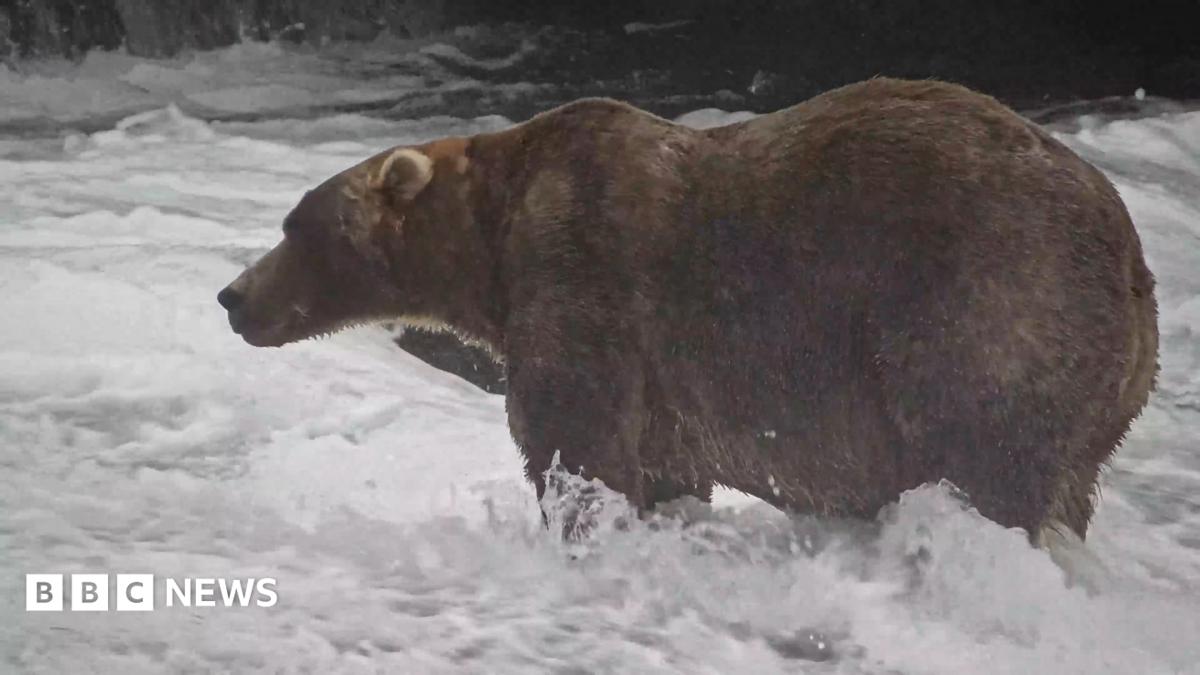
A hefty brown bear known as 89 Backpack has claimed the crown in this year's Fat Bear Week competition, edging out a rival identified only as 910 in a closely contested final vote. The annual contest, organized by Katmai National Park in Alaska, celebrates the bears that have packed on the most pounds ahead of their long winter hibernation.
Backpack secured 103,344 votes in the final round, while 910 garnered 98,253 votes, according to results released by park officials. The margin of victory was relatively slim given the enormous public interest in the competition, which has grown into a global internet phenomenon since its inception thirteen years ago.
The US National Parks Service framed the contest as a "battle of size, skill, snack acquisition, and strategic loafing," highlighting the unique blend of athleticism and laziness that allows these animals to thrive in the wild. The agency also offered a lighthearted thank you to the sixteen bears that "involuntarily participated" in this year's event, acknowledging that the animals had no say in their newfound fame.
Backpack's victory comes with a fascinating family pedigree. His mother, a bear named Holly, won the same competition in 2019, making this a multigenerational triumph for the family line. Backpack earned his unusual moniker not from any resemblance to camping gear, but from a habit he developed as a cub when he would climb onto Holly's back as she waded through the salmon-rich waters of the Brooks River.
The competition, which is now in its thirteenth year, has become a beloved autumn tradition for wildlife enthusiasts around the world. Fans cast their votes online, often with passionate commentary about which bear deserves the title based on visible fat reserves, fishing prowess, and overall roundness.
Supporters of Backpack were effusive in their praise. One admirer described the champion as possessing both "chonk and badonk," a playful nod to his impressive girth. Another fan simply called him a "big fuzzy boy," capturing the affectionate tone that pervades the competition's online following.
However, Backpack's win was not without controversy. Devotees of the runner-up, Bear 910, argued that she was deserving of the title for different reasons. One supporter noted that 910, a female who raised both her biological cub and an adopted niece, was a "larger bear all around," adding that "Backpack just has a bigger booty."
The debate over which bear truly deserved to win reflects the deep emotional investment that fans bring to the competition. One 910 enthusiast wrote on the park's Facebook page that "910 really put in the work this year," while another voter commented, "She round, she thick my girl 910 got my vote." Such comments illustrate how the contest has evolved from a simple weight-watching exercise into a spirited community event.
The final weights of the competing bears have not yet been disclosed, leaving some uncertainty about the precise measurements behind the voting results. However, park officials have provided general benchmarks for understanding bear biology. Adult male brown bears typically average up to 408 kilograms by mid-summer, and they often gain the equivalent of 25 percent of their body weight by the time autumn arrives. The largest males can tip the scales at more than 540 kilograms.
Female brown bears are generally smaller but can still reach weights exceeding 300 kilograms. Cubs, by contrast, enter the world weighing roughly half a kilogram, highlighting the remarkable growth trajectory these animals undergo in their first years of life.
The stakes of Fat Bear Week extend far beyond internet bragging rights. Hibernation is a perilous period during which bears neither eat nor drink, and they can lose as much as one-third of their body weight. As organizers explained, a bear's winter survival depends entirely on accumulating ample fat reserves before entering the den. This biological reality underscores why the competition resonates with so many people: the bears are not just getting fat for fun, they are preparing for a fight for their lives.
From June until mid-October, the bears of Katmai National Park gorge themselves on food, including salmon that they catch with their jaws or paws. This period of intense feeding is critical, and the bears that succeed in packing on the most pounds are the ones most likely to emerge from hibernation in the spring.
Backpack's official biography notes that his "quiet toughness has allowed him to find his niche alongside the biggest bears at Brooks River." This description suggests that while he may not be the most aggressive or dominant bear in the park, he has carved out a successful existence through a combination of patience, resilience, and strategic feeding.
The scale of public engagement with Fat Bear Week has grown dramatically over the years. Last year, more than 1.7 million votes were cast from over 100 countries, demonstrating that the competition has transcended its origins as a local park event to become a global celebration of wildlife. Fans from around the world tune in via live cameras to watch the bears as they fish, rest, and prepare for winter.
Backpack will now enter hibernation, a period that can last up to six months. During this time, he will neither eat nor drink, surviving entirely on the fat reserves he has built up during the summer and autumn. His victory in Fat Bear Week serves as a public acknowledgment of his success in that critical endeavor, even as the bear himself remains blissfully unaware of his celebrity status.
The competition also serves an educational purpose, drawing attention to the broader ecological challenges facing brown bears in Alaska and beyond. Salmon runs, habitat preservation, and climate change all play a role in determining whether bears like Backpack can continue to thrive. By engaging millions of people in the lives of a few individual bears, Fat Bear Week helps foster a deeper appreciation for the natural world and the delicate balance that sustains it.
As autumn turns to winter and the bears retreat to their dens, the legacy of this year's competition will live on in the memories of the fans who voted, debated, and cheered for their favorite candidates. For Backpack, the prize is not a trophy or a title, but the survival that comes from a summer well spent.







Comments (0)