 yoga-mahendra
Police in South Korea are searching for four Chinese nationals accused of ransacking a restaurant named after Chinese President Xi Jinping, an attack that has thrust a long-running local naming dispute into the international spotlight.
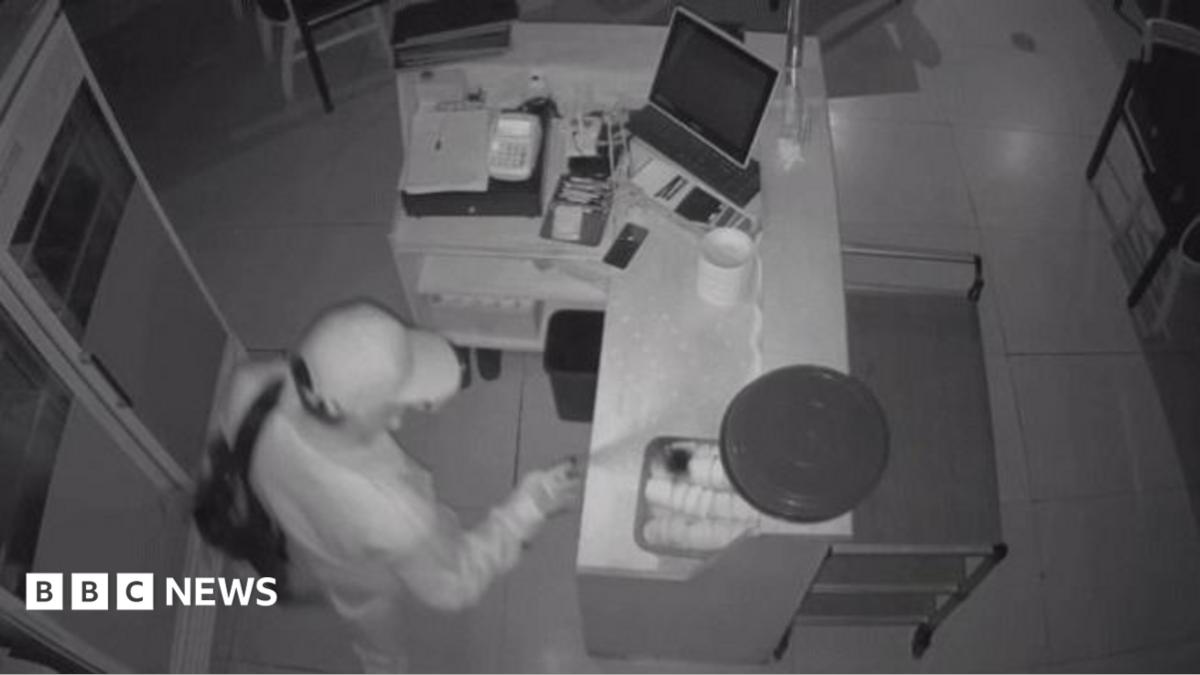
The incident took place in the early hours of 24 September at the eatery in Seongnam, a city located just south of the capital Seoul, according to surveillance footage reviewed by authorities.
The video shows four individuals wearing masks entering the premises, where they proceeded to smash furniture and spray lacquer across the interior, leaving behind significant damage.
The restaurant's owner, who has operated the business for eight years, told local media that the assault caused roughly 15 million won in damage, equivalent to about $11,100 or £8,400.
The establishment was forced to shut its doors for five days in the aftermath of the attack before reopening on Tuesday, the owner confirmed.
Police said on Tuesday that the four suspects are Chinese men aged between 20 and 40, and that they are believed to have left South Korea shortly after the incident.
Investigators believe the men fled to Shanghai and Yantai, a city in China's eastern Shandong province, prompting South Korean authorities to pursue international avenues for their capture.
Officials are preparing to request red notices from Interpol for the four suspects, a mechanism that alerts law enforcement agencies worldwide but does not constitute an arrest warrant.
Such notices are issued when authorities want police in other countries to locate and provisionally detain a wanted person pending possible extradition proceedings.
The restaurant's distinctive name has been a source of controversy for some time, particularly over the past year, according to The Chosun Daily, which first reported on the owner's account.
The owner explained that he chose the name because he wanted it to be the best Chinese restaurant in South Korea, and he has consistently denied any political motivation behind the choice.
He described how the situation escalated in August last year, when news circulated that Xi would be attending the Asia Pacific Economic Co-operation Summit in South Korea.
At that time, he said, he received dozens of phone calls from people demanding that he change the restaurant's name, with some callers even offering money to persuade him.
"People claiming to run businesses in China proposed large sums if we changed the name," he told The Chosun Daily, adding that the callers were persistent in their efforts.
The pressure did not stop there. In April this year, an individual lodged a complaint with South Korea's Ministry of Intellectual Property concerning a menu item called Xi Jinping Special Rice.
The ministry ultimately closed the case after determining there were no grounds for action, a decision that allowed the restaurant to continue operating under its existing branding.
Despite that resolution, the owner said last week's vandalism was the most severe incident he had encountered during a year of mounting friction over the restaurant's identity.
The restaurant serves a broad selection of Chinese dishes while also offering some South Korean options, according to screenshots circulated online, and it holds an average rating of four out of five stars from Google reviewers.
The case raises complex questions about jurisdiction and diplomatic sensitivity, given that the suspects are foreign nationals who have returned to China, where they would face potential detention under an Interpol notice.
Legal experts note that red notices rely on the willingness of the receiving country to cooperate, and extradition from China to South Korea in such a case would depend on bilateral agreements and political considerations.
For the owner, the episode has prompted a difficult decision: his team is now weighing whether to abandon the name that has defined the business for nearly a decade.
The attack also underscores broader tensions surrounding the use of a foreign leader's name for commercial purposes, particularly when that name carries political weight across borders.
While the restaurant's owner has repeatedly framed the name as a marketing choice rather than a political statement, the reaction from certain quarters suggests that perception is not universally shared.
Police continue to investigate the identities and whereabouts of the four suspects, and it remains unclear whether Chinese authorities will respond to any Interpol request.
The owner, meanwhile, faces the challenge of rebuilding both his damaged premises and his business's reputation, while contemplating a rebranding that could mark the end of an eight-year era.





Comments (0)