 fitri-handayani
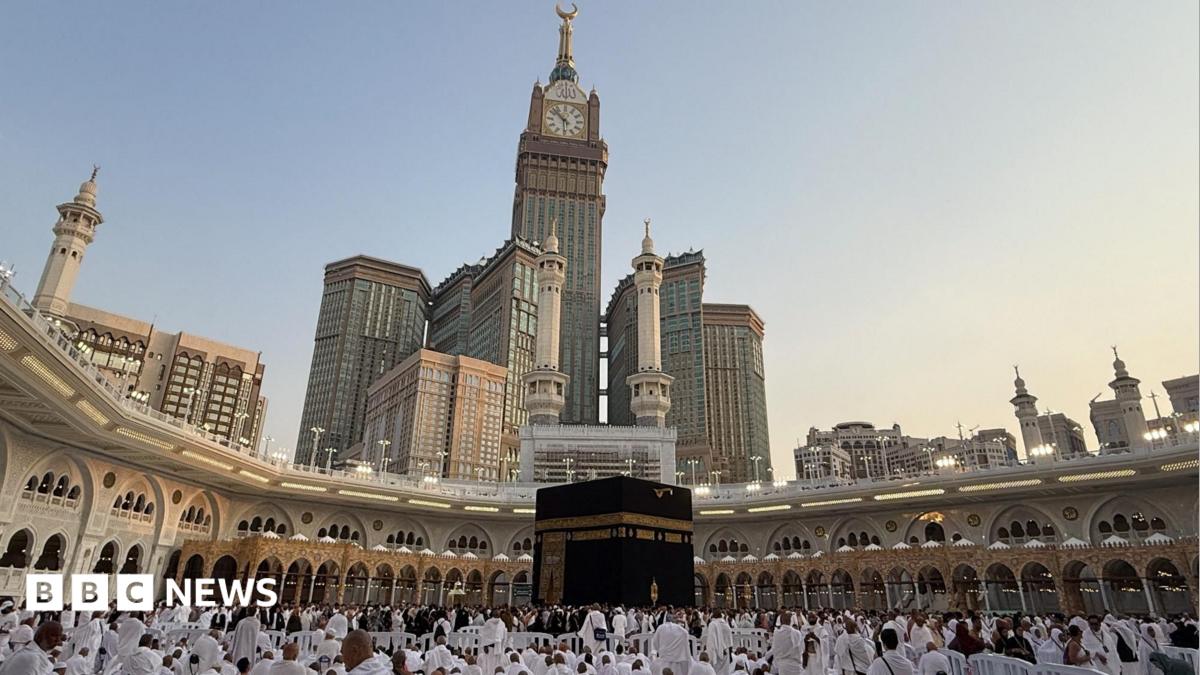
Saudi Arabian air defense forces have intercepted and destroyed an unmanned aerial vehicle launched by Yemen's Houthi movement south of Mecca, according to an announcement made by the Saudi-led military coalition. The incident, which took place on Tuesday evening, has intensified regional friction as military actions edge closer to areas of immense religious and cultural significance.
Coalition spokesman Major General Turki al-Maliki condemned the attempted attack, characterizing any threat directed toward Mecca—the home of Islam's most sacred shrine and the destination of the annual Hajj pilgrimage—as a disgraceful act. He warned that coalition forces would not hesitate to enforce necessary and deterrent operations against the Houthi militia in response to what he described as ongoing hostile and terrorist conduct.
The reported targeting of the western holy regions drew sharp criticism from the Organisation of Islamic Cooperation. The 57-nation body stated that hostility directed toward Mecca and the neighboring Medina province, which houses Islam's second holiest site, represents an unacceptable and intolerable transgression against the wider Muslim world.
In response, the Iran-backed Houthi movement, which currently governs extensive portions of western Yemen, dismissed the coalition's assertions. Houthi military spokesman Yahya Sarea denied that their forces had targeted Mecca, calling the Saudi claims fabrications and lies designed to mislead the public.
Sarea insisted that Yemen poses no danger to Islamic holy sites, maintaining that Houthi operations are strictly confined to military bases and energy infrastructure situated well away from sacred locations. He noted that the recent deployment of drones and missiles toward Saudi territory was carried out in direct retaliation for more than 450 Saudi air raids launched against Houthi-held areas over the prior week, while also claiming that Houthi forces had brought down a Saudi fighter jet over Marib province.
The escalating aerial activity prompted Saudi authorities to issue urgent security alerts on Tuesday, warning residents of incoming projectiles across several western districts, including both Mecca and the commercial coastal hub of Jeddah. In light of the deteriorating security landscape, the United States embassy in Saudi Arabia updated its guidance to a "reconsider travel" status, highlighting persistent Houthi threats against cities, transport hubs, diplomatic compounds, military installations, and energy facilities.
The drone interception coincides with substantial Houthi territorial gains along Yemen’s Red Sea coastline at the expense of Saudi-backed pro-government units. Among recent advances, the group took control of the strategic port city of Mokha and secured Perim Island within the Bab al-Mandab Strait, a vital maritime chokepoint connecting Asian and European trade via the Suez Canal.
While the Houthis have asserted that they do not intend to disrupt broader international commerce, they have repeatedly affirmed their intention to strike Saudi vessels. Saudi Arabia has grown increasingly reliant on Red Sea maritime corridors for crude exports after the conflict involving the United States, Israel, and Iran effectively shut down the Strait of Hormuz in the Persian Gulf.
Compounding Saudi Arabia's logistical vulnerabilities, the kingdom's vital East-West Pipeline was recently forced offline after sustaining severe damage in a strike that Riyadh attributed to Iran-backed militias based in Iraq. While industry analysts have estimated that repairing the pipeline—which routes Gulf crude to the Red Sea port of Yanbu—could require over a month, United States Energy Secretary Chris Wright offered a more optimistic outlook on Tuesday, anticipating that crude shipments would resume within days.
Against the backdrop of mounting economic and military strain, Saudi Crown Prince Mohammed bin Salman has directly urged US President Donald Trump to authorize military interventions against the Houthis, according to sources familiar with the discussions. President Trump has thus far refrained from committing direct US military action, choosing instead to restrict American involvement to providing intelligence and targeting assistance, while a senior administration official confirmed ongoing dialogue with Saudi and Yemeni authorities regarding regional stability.
The broader security crisis was brought before the United Nations Security Council during an emergency session on Tuesday. Both the recognized Yemeni government and Saudi representatives pushed for decisive international measures against Houthi forces, accusing the group of weaponizing the Bab al-Mandab Strait for economic leverage, while council members broadly underscored that freedom of navigation through the Red Sea must be protected to shield international supply networks from disruption.
The battlefield resurgence has also accelerated a devastating humanitarian emergency within Yemen. According to the International Organization for Migration, renewed confrontations between Houthi units and pro-government forces have displaced over 90,000 people. Amy Pope, the organization’s director general, warned that many families are now experiencing displacement for a second or third time with virtually no resources remaining.
The surge in violence has yielded a heavy human toll, with the World Health Organization reporting that at least 500 individuals have been killed since the beginning of August, including nearly 300 deaths recorded during a single week.
Yemen's civil war began in 2014 when Houthi rebels ousted the central government from the capital, Sanaa, prompting a 2015 military intervention by a Saudi-led Arab coalition. The protracted conflict has claimed upwards of 150,000 lives and left more than 22 million people reliant on humanitarian assistance. A fragile four-year informal truce collapsed in July after the Houthis declared a maritime embargo against Saudi Arabia and resumed cross-border assaults, citing an ongoing Saudi blockade of their transport hubs and a previous strike on Sanaa airport.






Comments (0)