 irwan-setiawan
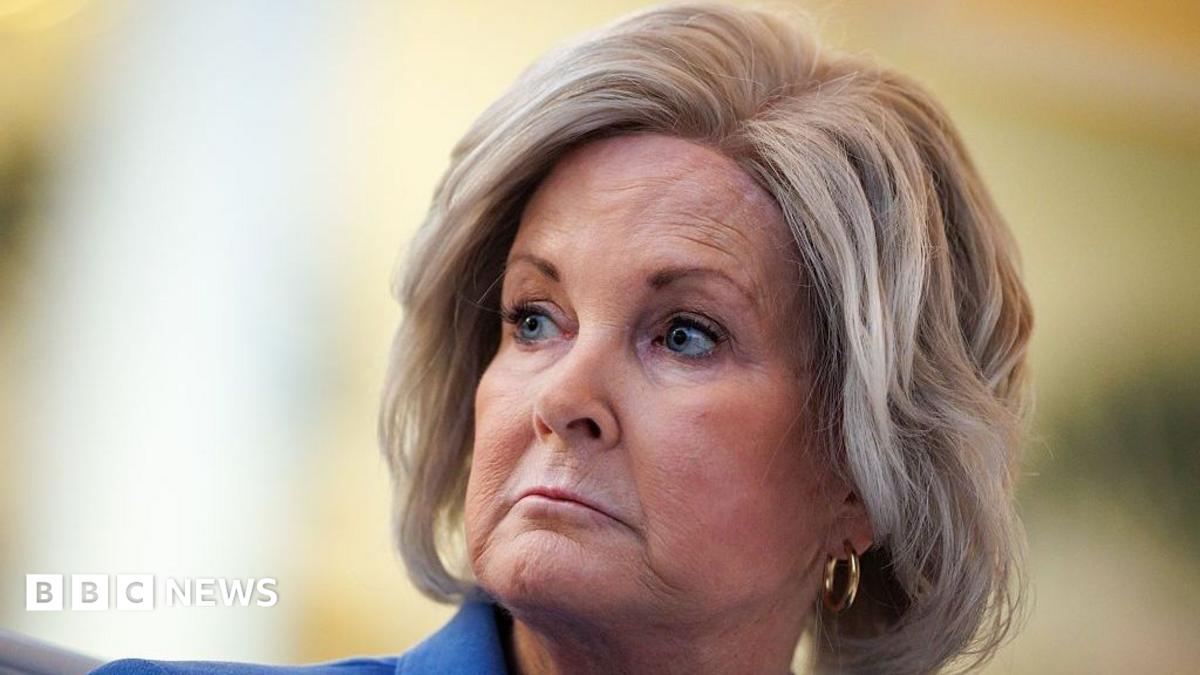
Susie Wiles, the White House Chief of Staff, has publicly shared that she is now free of cancer, reaching a major health milestone precisely six months after initially disclosing her diagnosis. The senior official revealed the medical update following a comprehensive round of evaluations at the Mayo Clinic, which confirmed that her recent pathology results showed no remaining signs of the disease.
The 69-year-old political strategist delivered the news via a message posted to the social media platform X, marking the conclusion of a high-profile health battle that began earlier this year. In her statement, Wiles conveyed deep appreciation to President Donald Trump, citing his steadfast personal support throughout the duration of her medical care, and reaffirmed her dedication to advancing the administration's broader policy objectives.
Wiles’s disclosure marks the culmination of six months of medical intervention that began after her diagnosis was made public in March. Although her recent post confirmed that her clinical evaluations at the Mayo Clinic were completely clear, she chose not to elaborate further on the precise nature of the medical procedures or therapeutic regimens she underwent over the course of the preceding months.
Despite the considerable physical and logistical demands of her health condition, Wiles maintained an active working presence within the executive branch. Throughout the six months of treatment that followed her March disclosure, she continued to oversee White House operations and fulfill her daily responsibilities by working on a virtual basis, ensuring continuity at the highest level of presidential governance.
When she first revealed her condition in March, Wiles spoke candidly about the broader realities of breast cancer, noting statistical data indicating that the disease affects roughly one in every eight women. At the time, she praised the resilience of countless women facing the same health challenge who continue to balance familial obligations, professional duties, and community service with resolve, stating that she was joining their ranks in managing both career and recovery.
As the first woman ever appointed to serve as White House Chief of Staff, Wiles occupies a historically unprecedented position that is widely regarded by political analysts as the most critical and demanding administrative post in the federal government. Her tenure places her at the center of power in Washington, where she directly oversees the executive machinery that supports the presidency.
In her day-to-day capacity as chief of staff, Wiles fulfills a multifaceted mandate that includes managing access to the Oval Office as the president’s primary gatekeeper. Beyond controlling the flow of personnel and information, she is tasked with coordinating major policy initiatives, aligning strategic priorities, and serving as one of the president's foremost political advisers to keep his legislative and executive goals on schedule.
Wiles’s ascent to the chief of staff position followed her prominent role within Donald Trump's successful 2024 presidential campaign, during which she was widely recognized for bringing discipline and organizational structure to the political operation. That campaign work further solidified her standing as one of the most trusted and influential figures within the president’s inner circle.
Throughout her career in national politics, Wiles has been regarded as a key architect of the president's political apparatus. Her close relationship with Trump has made her an indispensable advisor within the West Wing, where her judgment heavily influences both personnel management and high-stakes administrative decisions across the executive branch.
Despite her pivotal standing in the White House, Wiles's tenure has experienced moments of public scrutiny and internal political friction. The most prominent episode occurred following the publication of a wide-ranging interview profile in Vanity Fair in December, which featured blunt and unguarded reflections regarding her experiences working alongside the president and other top administration officials.
In those published interviews, Wiles offered candid character assessments, at one point remarking that the president possessed an "alcoholic's personality," despite his well-known personal abstinence from alcohol. In the same breath, however, she underscored his extraordinary drive, asserting that there was nothing he could not accomplish when set to a task.
The profile also highlighted her forthright commentary regarding other prominent figures allied with the administration. Among her observations were descriptions characterizing Vice-President JD Vance as a "conspiracy theorist" and technology executive Elon Musk as an "odd, odd duck," remarks that quickly drew widespread media scrutiny and political commentary.
The controversy prompted an immediate response from both Wiles and the president himself. Donald Trump swiftly came to her defense in the wake of the publication, while Wiles publicly criticized the reporting, arguing that Vanity Fair had stripped her remarks of critical context in an effort to construct an intentionally negative and disorganized depiction of the administration's leadership.
Following her recent announcement confirming her cancer-free status, neither President Trump nor official White House spokespersons had issued formal public statements regarding her medical results at the time of reporting.
With her health evaluations now clear, Wiles is positioned to continue her leadership role at the helm of the executive staff. Her announcement signals a full return to directing the administration’s America First platform, bringing an end to a challenging six-month chapter in which she balanced demanding national governance with her personal medical recovery.










Comments (0)