 fitri-handayani
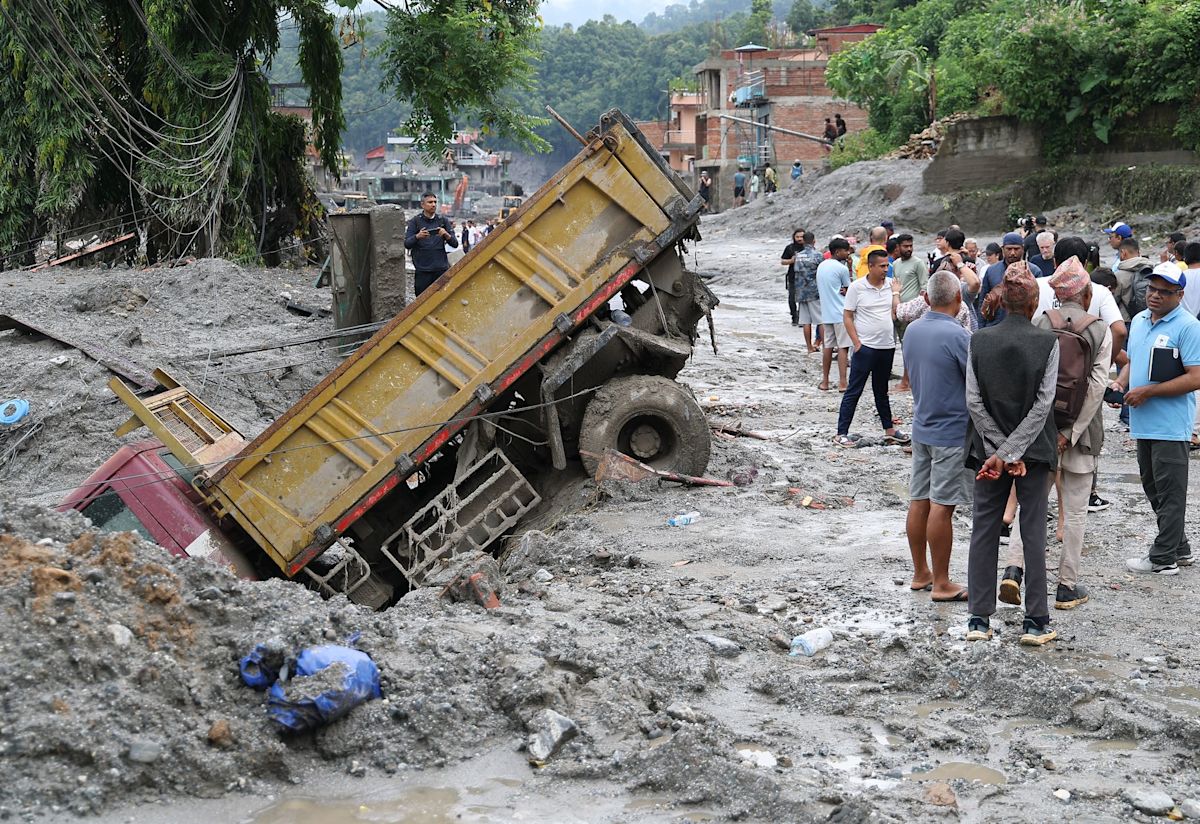
KATHMANDU, Nepal - The devastating flash floods that swept through Nepal last week have claimed the lives of at least 903 individuals, according to disaster management authorities. The confirmed toll includes 919 people in both Nepal and neighboring China, with the number of missing persons in Nepal reaching 4,247, including 592 foreigners, and 546 in China.
Rescue operations in the affected regions of Nepal and south-western Tibet have been relentless, with thousands of workers combing through the disaster-stricken areas in search of survivors and recovering bodies. Authorities have reported that many bodies have been recovered in southern Nepal, located dozens of kilometers away from the worst-affected areas.
As the scale of the tragedy becomes increasingly apparent, mass burials have begun in Nepal, a move that has sparked controversy in the predominantly Hindu country where cremation is the traditional practice. Local media has reported that the first victims are being interred in mass graves, with authorities collecting DNA samples, photographs, and other identifying information to allow for later identification by relatives.
"Our absolute priority is returning every victim to their families," a police spokesman was quoted as saying by the Kathmandu Post. However, in cases where visual identification is no longer possible due to rapid decomposition of remains, authorities have had to secure DNA profiles to carry out dignified burials.
The aftermath of the floods has also led to a focus on the safety of hydropower plants that were severely damaged by the mud and debris washed away by the flooding. Hundreds of workers are believed to be trapped in multiple tunnels at these sites within the Himalayan mountain range. Efforts to rescue them have been complicated by rising water levels and adverse weather conditions.
In the disaster-hit area of China, teams are working to reopen a key access road to allow heavy equipment to be brought in for further rescue operations. However, the risk of further landslides and flooding continues to hinder their efforts. More rain is forecast in the region in the coming days, raising concerns about the potential for additional disasters.
The flash floods were caused by intense rainfall that overwhelmed the region's drainage systems, leading to catastrophic flooding and landslides. The Nepalese government has expressed its gratitude to international aid organizations and neighboring countries for their support in the aftermath of the disaster.
As the country begins the process of recovery, the focus is not only on rebuilding infrastructure but also on providing mental health support to those affected by the tragedy. The emotional toll of the loss of life and the destruction of homes and communities is expected to be significant, and authorities are preparing for a long-term response to help the affected populations rebuild their lives.
The disaster has highlighted the vulnerability of mountainous regions to extreme weather events, and experts are calling for improved disaster preparedness and early warning systems to mitigate the impact of future natural disasters. The World Bank and other international organizations have already pledged support to help Nepal recover from the floods.
As the situation unfolds, the international community remains engaged, with many countries offering assistance and expressing their condolences to the bereaved families. The resilience of the people of Nepal and China will be tested as they navigate the challenges of rebuilding in the aftermath of this catastrophic event.



Comments (0)