 yoga-mahendra
**
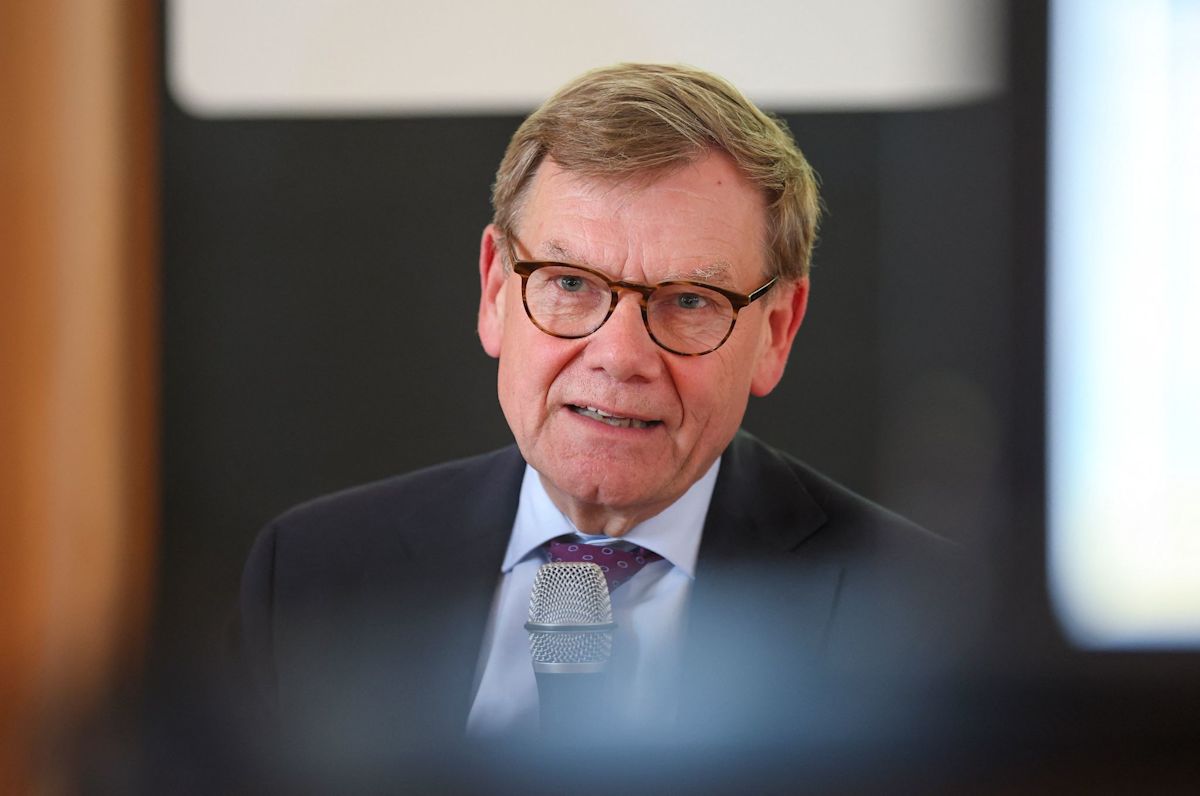
German Foreign Minister Johann Wadephul is set to embark on a significant diplomatic mission to Tunisia and Algeria, aiming to bolster economic and security cooperation with the two North African nations amidst global instability. The trip, which is scheduled to begin on Monday, reflects Germany's strategic interest in the region and its commitment to achieving lasting stability in the Sahel region.
Wadephul, a conservative politician, emphasized the shared goal of achieving stability in the Sahel region, a region that has been grappling with various security challenges. He also highlighted the importance of easing tensions in the Middle East and along shipping routes around the Arabian Peninsula, which are crucial for global security and supply chains.
One of the key areas of focus for the German Foreign Minister is energy cooperation. He believes that by working together, Germany and the North African countries can harness the considerable potential for growth and prosperity in this sector. "Together, we can make the Mediterranean a space of strength between our continents," Wadephul said.
During his visit to Tunis, Wadephul is scheduled to meet with his Tunisian counterpart Mohamed Nafti, followed by talks with business representatives and a visit to a start-up. He will be accompanied by a business delegation, underscoring the economic dimension of the trip. In the afternoon, he will continue his journey to Algiers, where he is expected to meet with Algerian Foreign Minister Ahmed Attaf and other business representatives.
The visit comes at a time when Tunisia and Germany are celebrating the 70th anniversary of their diplomatic relations. Germany is Tunisia's third-largest export market, and the resilient supply chains between the two countries are particularly important for the German automotive industry. Additionally, around 7,500 young Tunisians are studying in Germany, while Tunisian skilled workers contribute significantly to the German healthcare system.
In Algeria, Germany sees a growing importance due to the country's role as a major gas supplier to the European Union. The potential for Algeria to become a significant supplier of green hydrogen further enhances its strategic value. In July, Germany and Algeria agreed to deepen their energy partnership, a move that is expected to benefit both nations.
The trip by Wadephul is not just about economic ties; it also underscores the importance of security cooperation. Both Tunisia and Algeria are key players in the region's security landscape, and Germany is keen to strengthen its relationship with them. The minister's visit is a clear signal of Germany's commitment to regional stability and security.
As the world grapples with various challenges, including geopolitical tensions and economic uncertainties, Germany's focus on North Africa is a strategic move. By deepening ties with Tunisia and Algeria, Germany aims to ensure a stable and prosperous future for both the Sahel region and the Mediterranean as a whole.
The visit by Wadephul is expected to yield significant outcomes, including the signing of new agreements and the strengthening of existing partnerships. It is a testament to Germany's proactive approach to international relations and its commitment to global stability and security.
As the world watches, the German Foreign Minister's trip to Tunisia and Algeria is set to be a pivotal moment in the region's diplomatic landscape. The outcomes of this visit could have far-reaching implications for the future of the Sahel region and the Mediterranean basin.





Comments (0)