 fitri-handayani
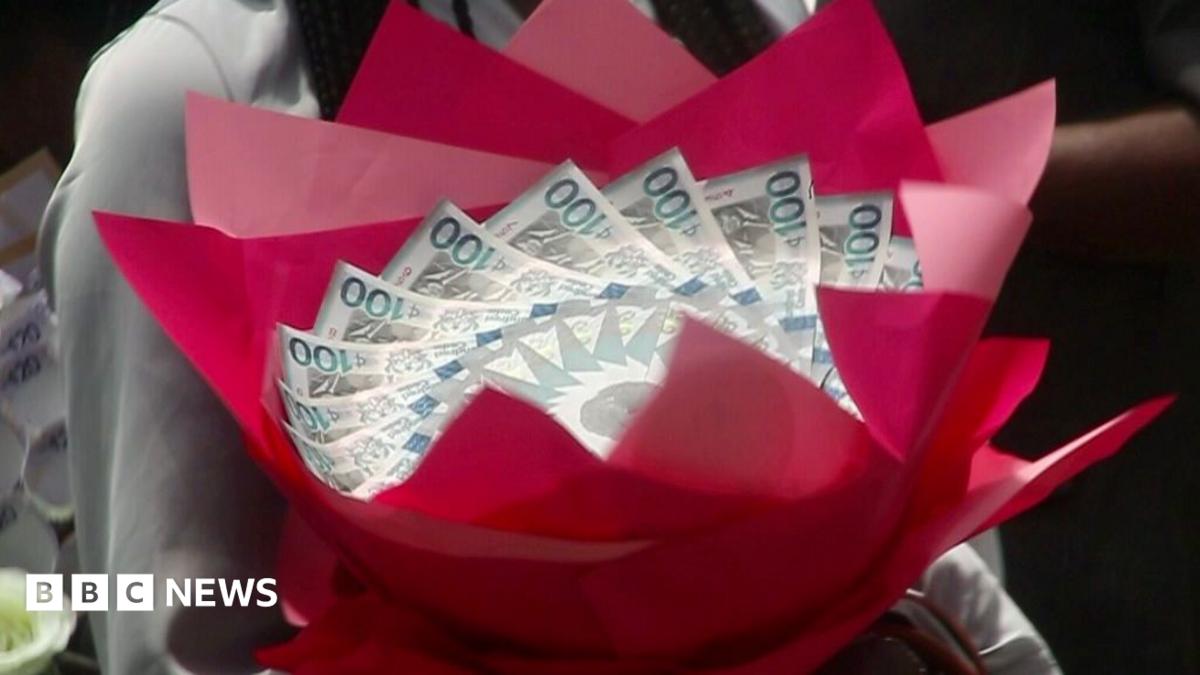
Ghanaian authorities have arrested seven women accused of crafting decorative bouquets and cake ornaments out of the country's national currency, in what has become the most significant enforcement action yet against the growing practice of using banknotes as party accessories. The arrests, executed by police in coordination with the Bank of Ghana, followed a tip-off that prompted a raid on the suspects, who allegedly sold their currency-based creations across various neighborhoods in Accra, the capital.
The Bank of Ghana maintains that transforming cedi notes into floral arrangements or cake decorations violates the law, characterizing the practice as improper handling and misuse of the national currency. The central bank issued a formal warning in July, signaling that such activities could constitute a criminal offense, but the recent arrests indicate a decisive shift from advisory notices to active prosecution.
A spokesperson for the Bank of Ghana's currency department, Dinah Bonzi, emphasized that the cedi represents legal tender and deserves respectful treatment. She stated that abusing or misusing the currency is an offense subject to legal sanctions. Bonzi further warned that the arrests should act as a deterrent to the public, urging Ghanaians to handle the national currency with dignity. She also noted that individuals who assist or promote such activities could face arrest and prosecution alongside the direct perpetrators.
The suspects, all women, reportedly sold their money bouquets in different sections of Accra. Police have launched investigations, and authorities have confirmed that the accused will be prosecuted. If convicted, they could face either a fine or a jail term, with the specific penalty to be determined by the courts.
The Bank of Ghana has repeatedly cautioned against a range of practices involving the cedi, including "spraying"—the custom of throwing money at celebrations such as weddings—as well as writing on, altering, or incorporating notes into decorations like floral-like bouquets for weddings, birthdays, and other festive occasions. The July notice specifically warned against "acts that tend to depreciate or impair the national currency, including any conduct that undermines its lawful value or use."
Money bouquets and currency-adorned cakes have become increasingly popular in Ghana in recent years, often ordered as gifts for weddings, birthdays, graduations, and other milestones. The trend reflects a broader cultural phenomenon across Africa, where cash-based gifts have evolved into elaborate decorative displays. However, this practice has raised concerns among monetary authorities who view it as a threat to the integrity of national currencies.
The issue extends beyond Ghana's borders. Authorities in Kenya, Nigeria, South Africa, and Botswana have issued similar warnings in recent years against misusing their respective national currencies. Kenya's central bank, for instance, has explicitly warned that banknote bouquets could result in jail time. Nigeria has grappled with the dilemma of cash-spraying at weddings, a tradition that conflicts with regulations protecting the naira. These parallel actions suggest a continent-wide effort by central banks to assert control over how national currencies are treated and to preserve their symbolic and economic value.
The Bank of Ghana's crackdown underscores a tension between cultural expression and legal compliance. While money bouquets are often intended as heartfelt gifts, authorities argue that folding, defacing, or otherwise altering banknotes diminishes their quality and lifespan. Damaged notes must be withdrawn from circulation and replaced, imposing costs on the central bank and, ultimately, the taxpayer. Moreover, the practice can complicate anti-counterfeiting efforts and undermine public confidence in the currency.
Legal experts suggest that the prosecution of these seven women could set a precedent for future cases. The outcome will likely clarify the boundaries of acceptable currency use and determine whether the Bank of Ghana's warnings carry meaningful legal weight. The case also raises questions about enforcement consistency, as money bouquets remain widely advertised and sold across Ghana despite the longstanding prohibition.
From a broader economic perspective, the Bank of Ghana has been battling inflationary pressures and currency depreciation in recent years. Maintaining the cedi's stability and public trust is a critical component of its mandate. Actions that could be perceived as trivializing or degrading the currency may be viewed as undermining those efforts. The central bank's aggressive stance may also be intended to signal that it will not tolerate practices that could erode the cedi's standing, both domestically and internationally.
Public reaction to the arrests has been mixed. Some Ghanaians view the enforcement as overly harsh, arguing that money bouquets are a harmless expression of affection and celebration. Others support the Bank of Ghana's position, acknowledging that national symbols, including currency, warrant protection under the law. Social media discussions have highlighted the cultural significance of cash gifts while debating whether the legal response is proportionate to the offense.
The arrests also draw attention to the informal economy in which money bouquet makers operate. Many of these entrepreneurs are women who have turned a creative skill into a source of income. The crackdown could disrupt their livelihoods, prompting calls for clearer guidelines and alternative ways to celebrate without violating currency regulations. Some suggest that the Bank of Ghana could educate the public about the costs of currency misuse rather than relying solely on punitive measures.
As the legal process unfolds, the case will be closely watched by other African nations grappling with similar issues. The Bank of Ghana's actions may inspire tougher enforcement elsewhere or prompt a reevaluation of how central banks balance cultural traditions with regulatory mandates. For now, the message from Accra is unambiguous: the cedi is not a party decoration, and those who treat it as such may find themselves facing prosecution.





Comments (0)