 yoga-mahendra
The United States Federal Reserve has implemented its first interest rate increase in more than three years, lifting its benchmark rate to a range of 3.75% to 4.0% in a unanimous vote. Policymakers opted to elevate borrowing costs from the previous target range of 3.5% to 3.75% as part of an aggressive effort to restrain persistent price increases that continue to strain American households and businesses.
The central bank's tightening move came despite vocal resistance from the White House, where President Donald Trump had publicly pushed for monetary easing. Trump strongly objected to the hike, maintaining that domestic interest rates ought to be placed at 1.0% or lower on the grounds that the United States possesses the best credit standing in the world.
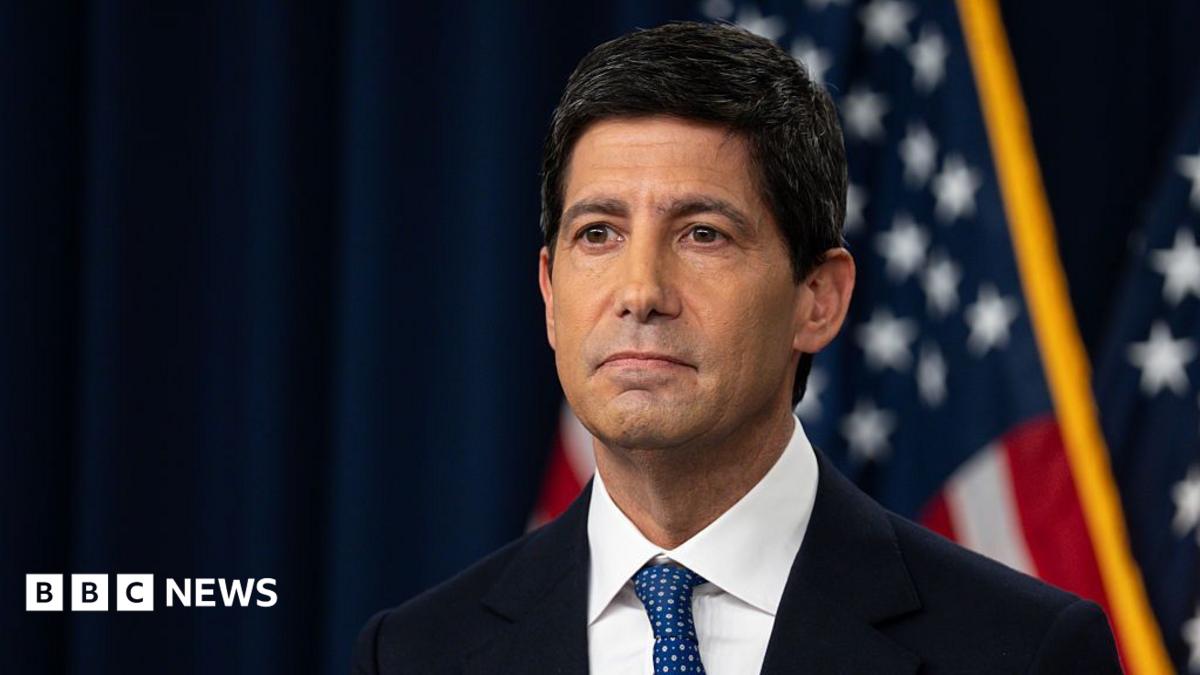
Defending the unanimous policy decision, Federal Reserve Chair Kevin Warsh characterized the rate increase as a necessary, sober, and responsible measure. Speaking after the policy announcement, Warsh underscored that inflation has remained stubbornly above the central bank’s target for over five years, demanding decisive action to restore long-term economic balance.
This policy shift represents the central bank's initial rate movement in either direction since benchmark costs were lowered in December 2025, and it marks the first rate increase authorized by the Fed since July 2023. While raising rates makes consumer borrowing across mortgages, personal loans, and credit cards significantly more expensive, it also offers savers the potential for improved yields on their deposits.
The Fed's policy tightening is unfolding against a complex macroeconomic and geopolitical backdrop. Rising price pressures have been heavily exacerbated by international tensions, notably the conflict involving the United States, Israel, and Iran, which has sparked a sharp surge in global crude oil markets.
The resulting shockwaves in energy markets have translated directly into pain at the pump for domestic consumers. Average nationwide gasoline prices have crossed the $4 per gallon threshold, while diesel costs have surged to an unprecedented all-time peak, subsequently cascading into higher operational expenses across freight, manufacturing, and food distribution.
Addressing these supply-side dynamics, Warsh acknowledged that monetary policy tools cannot directly dictate the cost of specific retail commodities, such as grocery items or crude oil. Instead, he explained that the central bank’s responsibility lies in ensuring that these isolated cost spikes do not spill over into broader, entrenched inflation throughout the wider economy.
The Fed leadership expressed confidence that the underlying fundamentals of the domestic economy remain sturdy enough to absorb higher borrowing costs. Warsh highlighted the ongoing strength of the national employment market, arguing that stabilizing consumer prices is a vital task that will ultimately deliver the greatest financial relief to low-income households.
Economic affordability has emerged as a central issue for the American public, particularly as voters prepare for the upcoming midterm elections in November. The intensifying pressure on household budgets from rising fuel, consumer goods, and basic services has elevated the political stakes surrounding the central bank's monetary strategy.
Following the interest rate announcement, the rift between the executive branch and the central bank escalated publicly. Trump issued a blunt message on social media demanding that the institution lower interest rates rapidly, continuing a long pattern of executive skepticism toward Fed policy.
Trump had previously maintained an adversarial stance regarding monetary policy decisions made by Warsh’s predecessor, Jerome Powell, frequently rebuking the former chair for refusing to ease rates. Warsh was appointed to helm the Federal Reserve earlier this year following the conclusion of Powell's term.
Addressing the friction between the administration and the central bank, White House Press Secretary Kush Desai stated to Fox News that the administration remains committed to the Federal Reserve’s institutional independence, while affirming the president's right to express his perspective. When asked about his interactions with the president, Warsh deflected with humor, reaffirming that the central bank intends to maintain its independence and remain focused on its core mandate.
The impact of the Fed’s decision reverberated across the financial sector almost immediately. Major commercial lenders, including JPMorgan Chase, KeyCorp, and BNY, moved quickly on Wednesday to raise their prime lending rates from 6.75% to 7.0%, a baseline adjustment that will swiftly drive up borrowing expenses on credit cards and variable-rate commercial loans.
In the residential real estate market, prospective buyers are grappling with elevated financing costs. Data from Freddie Mac indicates that 30-year fixed-rate mortgages currently average 6.76%, while 15-year fixed deals sit at approximately 6.09%. Although these rates remain beneath their peak levels from 2023, the recent increase presents substantial headwinds for new home purchasers and property refinancing, even though existing fixed-rate homeowners will see no change in their monthly payments.
Federal Reserve officials signaled that further tightening remains on the table. A majority of central bank policymakers anticipate lifting the benchmark rate again before the end of the year into a band of 4.0% to 4.25%. Furthermore, a narrow majority project rates climbing into the 4.25% to 4.5% range next year, before projected rate reductions begin in 2028 and 2029.
Under the central bank's long-range economic projections, inflation is expected to gradually cool in the coming years, steadily retreating toward the Fed's 2.0% target by 2029. The Fed's latest adjustment aligns with a broader wave of global central bank interventions addressing Middle East-related energy disruptions, following a rate hike by the European Central Bank and preceding a scheduled monetary policy decision by the Bank of England.








Comments (0)