 fitri-handayani
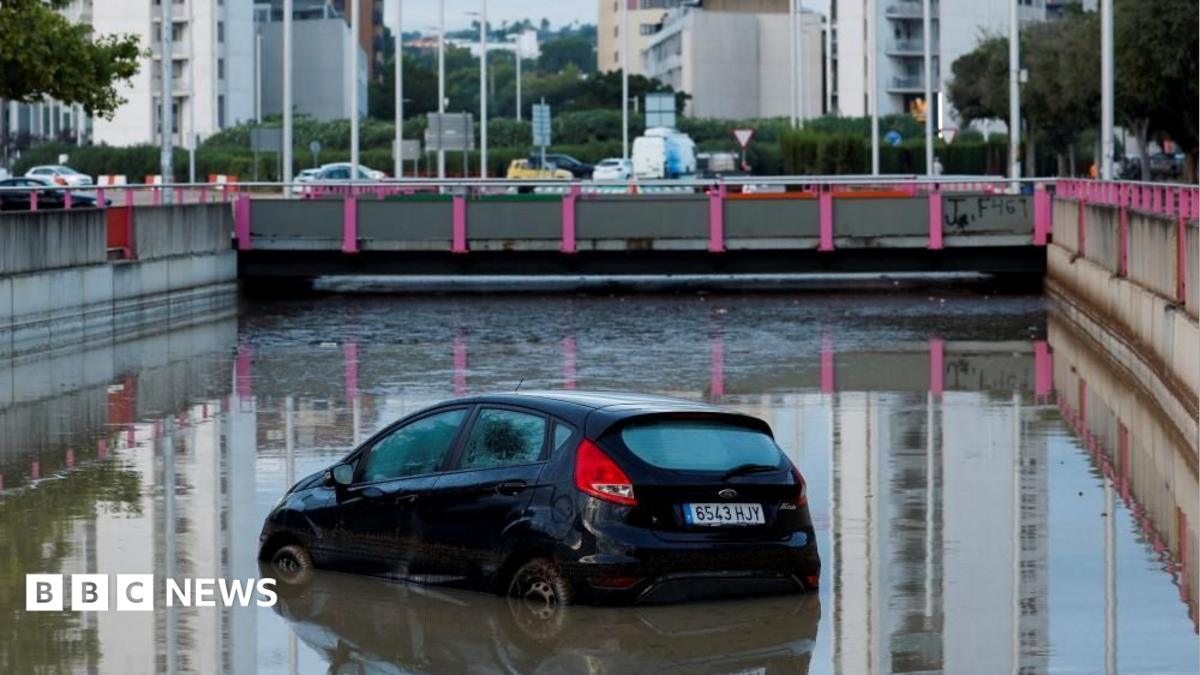
Torrential downpours and sudden flash flooding have battered north-eastern Spain, resulting in at least one fatality and causing widespread structural and logistical chaos across the regions of Catalonia and Valencia. The severe autumn weather system brought unprecedented rates of precipitation to coastal and inland communities, overwhelming municipal drainage infrastructure, inundating transit corridors, and prompting extensive emergency responses across the eastern seaboard.
The storm turned deadly in the municipality of Olivella, situated approximately 40 kilometres (25 miles) west of Barcelona. Emergency responders recovered the body of a man on Thursday after his vehicle was overtaken and swept away by a fast-moving stream. Local authorities confirmed the fatality following an extensive search and rescue operation in the heavily inundated terrain.
Catalan emergency services and regional firefighters addressed the public through official statements on the social media platform X to confirm the recovery of the victim's body. In their release, officials clarified that the deceased individual was male, formally correcting earlier emergency reports that had tentatively identified the missing motorist as a woman.
Prior to the most destructive phase of the deluge, Spain's national meteorological agency, AEMET, had issued widespread warnings for heavy rainfall across eastern territories on Wednesday. Forecasters elevated the threat level to a red alert along Barcelona's coastline, warning residents of potentially catastrophic localized accumulations and rapid surface water runoff.
In light of the hazardous conditions, national and regional authorities urged the public to exercise maximum caution and avoid all non-essential travel. Spanish Prime Minister Pedro Sanchez publicly addressed the crisis, warning citizens of "very complicated situations" developing across the affected regions as emergency crews mobilized to secure disrupted infrastructure.
In Catalonia, emergency dispatch centres experienced an intense surge in distress calls throughout the duration of the storm. Civil protection officials reported handling more than 850 emergency telephone calls connected to the torrential weather. In total, regional emergency personnel catalogued upwards of 500 distinct flood-related incidents, ranging from localized structural inundations to urgent motorist rescues.
The regional capital of Catalonia, Barcelona, faced substantial urban disruptions as rising floodwaters swamped public transportation networks. Several underground metro stations were forced to shut their doors, and municipal bus routes were diverted around flooded roadways. Regional commuter train networks experienced widespread delays, leaving many daily travellers stranded.
Aviation operations in Catalonia were heavily impacted as well, with El Prat airport in Barcelona logging a significant number of flight delays and cancellations. Eyewitness videos shared widely across social media networks showed partially submerged vehicles across flooded streets, alongside footage of emergency rescue workers attempting to reach a car trapped inside a heavily flooded underpass.
The neighbouring region of Valencia experienced similarly severe meteorological impacts, with local observation stations registering extreme downpours. According to data published by the regional meteorological association AVAMET, several municipalities in Valencia recorded more than 70 millimetres (2.76 inches) of rain descending in a span of just 30 minutes.
AVAMET highlighted the extraordinary nature of the storm event, noting on X that meteorologists have rarely documented such immense rainfall accumulations within a single half-hour timeframe. The rapid influx of water triggered flash flooding across urban and suburban districts, turning roadways into fast-flowing rivers.
Emergency services operating throughout the province of Valencia documented 478 separate weather-related incidents. The vast majority of these interventions involved responding to residential and commercial property damage, repairing localized building leaks, and clearing gridlocked roads caused by submerged underpasses and abandoned vehicles.
Within the regional capital of Valencia, the storm brought municipal transport to a complete standstill. Transport operators suspended all city metro lines to protect commuters from the dangerous influx of surface water. Furthermore, Valencia's airport was forced to shut down operations entirely for several hours, requiring incoming flights to be diverted to alternative destinations.
The adverse conditions also forced the cancellation of major regional sporting events. A scheduled football fixture between Levante and Athletic Bilbao had to be officially postponed after heavy rain left the pitch at the Levante Ciutat de Valencia Stadium waterlogged and floodwater began leaking directly into the players' tunnel.
The destructive weather system arrived as Spain concluded its hottest summer on record, followed by an unusually warm start to the month of September. These protracted high temperatures across the Iberian Peninsula established volatile atmospheric conditions directly preceding the arrival of the autumn rainstorms.
Climate scientists emphasize that human-driven climate change is actively intensifying the autumn storms that regularly affect eastern Spain. Throughout the summer, the Mediterranean Sea absorbs vast quantities of atmospheric heat, resulting in elevated sea surface temperatures that accelerate evaporation and load incoming weather systems with massive volumes of moisture.
The recent disaster has renewed public concern across the eastern coast, occurring less than two years after catastrophic flooding in Valencia claimed more than 230 lives. The rapid succession of these severe weather events underscores the increasing vulnerability of the Mediterranean coast to extreme, climate-intensified rainfall.






Comments (0)