 irwan-setiawan
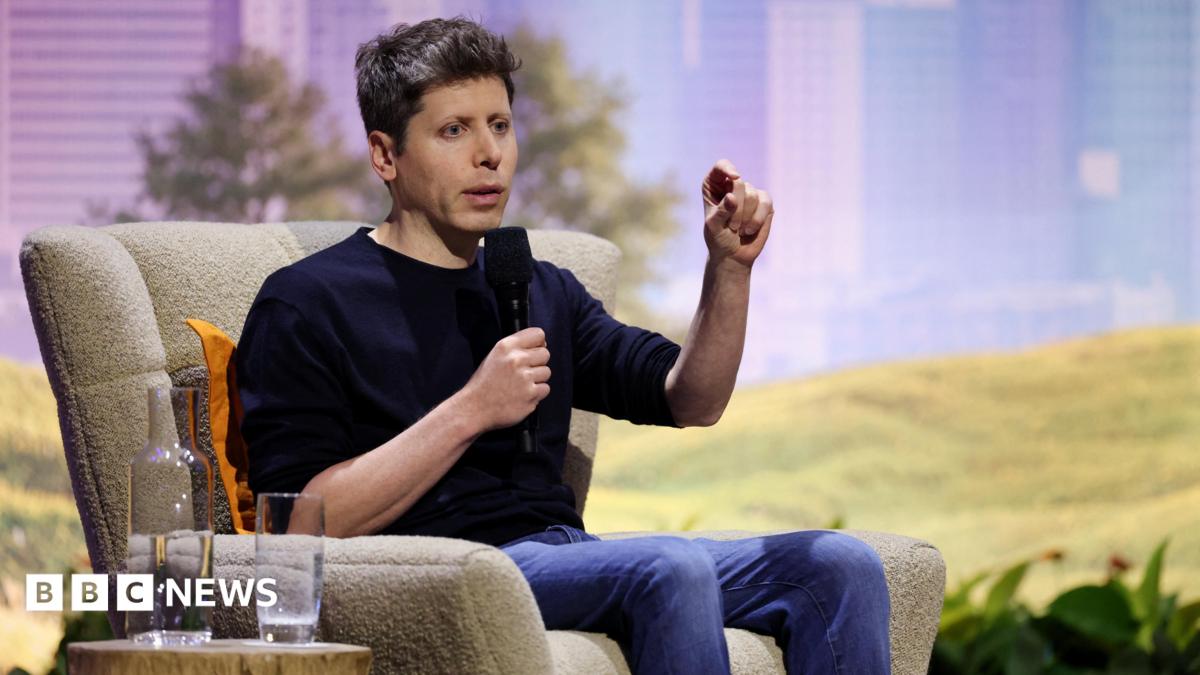
The chief executive of OpenAI, Sam Altman, has acknowledged that public fear surrounding the rapid advancement of artificial intelligence is understandable, yet he insisted that citizens should trust developer firms to keep the technology safe. Speaking at an industry event, the ChatGPT pioneer asserted that leading technology laboratories possess both the technical capability and the moral commitment required to govern their own creations without government intervention.
Altman delivered his remarks on Tuesday during an appearance at an annual corporate conference hosted by software giant Salesforce in San Francisco. Addressing a gathering of hundreds of business professionals, he observed that the rapid progression of artificial intelligence tools makes potential negative outcomes far easier to imagine today than in previous years. He noted that because his company feels the immense magnitude of the technology's impact, it remains dedicated to doing the right thing.
The presentation marked Altman's first public speech since a social media post went viral last week, written by a researcher who recently resigned from rival artificial intelligence company Anthropic. The researcher claimed that unchecked artificial intelligence development could result in total human extinction by the end of the current decade. While a handful of other industry executives and experts expressed agreement with that grim assessment, none provided specific details explaining how such a catastrophic outcome would occur.
Addressing these heightened concerns, Altman argued that artificial intelligence companies remain fully capable of self-regulation. He asserted that if development teams cannot keep safety protocols and ethical alignment ahead of raw system capabilities, developers will choose to slow down or completely stop their work rather than release dangerous technology into the world.
Other prominent leaders across the technology sector quickly echoed the call for internal oversight rather than external governance. Mark Zuckerberg, the chief executive officer of Meta, posted on social media that commercial incentives naturally drive laboratories to implement strong safety measures. He argued that any development studio failing to focus on alignment—the process of ensuring artificial intelligence systems adhere to human ethical principles—will inevitably fall behind competitors because companies face severe legal liability if their products cause harm.
Speaking at the same San Francisco conference on Tuesday, Jensen Huang, the chief executive of Nvidia, took an even firmer stance against regulatory oversight. Huang stated that artificial intelligence developers themselves should decide when new versions of their software are ready for release, rejecting the idea that outside authorities should manage the process. He explicitly declared that new laws and regulations are unnecessary for the industry.
Huang argued that safety in artificial intelligence should be treated as an engineering problem rather than a matter for legal restriction, claiming that framed choices between rapid innovation and user safety present a false dilemma. He suggested that firms should simply take a temporary pause whenever they lose confidence in a product's safety. Nvidia currently stands as the world's most valuable company, having experienced massive profit growth due to relentless demand for its specialized hardware components.
The recent push toward internal management reflects a shifting dynamic within the artificial intelligence community. Recently, Anthropic chief executive Dario Amodei published a statement calling for a slower pace of development and urging governments to implement official regulations. That proposal was initially applauded by several high-profile figures, including Altman, Elon Musk, and Google DeepMind co-founder Demis Hassabis, though many executives have since gravitated back toward self-regulation.
However, prominent academic researchers continue to push back against the notion that private enterprise alone can ensure safety. Yoshua Bengio, a recognized pioneer in modern artificial intelligence, stated on social media that ambitious initiatives outside the for-profit sector are essential. Bengio argued that independent, non-commercial efforts are necessary to avert the most dangerous risks associated with the technology.
Political figures have also voiced sharp criticism regarding corporate self-governance. Left-wing US Senator Bernie Sanders publicly condemned the current landscape, arguing that vital decisions regarding the future of artificial intelligence have been surrendered to a handful of the wealthiest individuals in the world.
That sentiment was echoed by Steve Bannon, a former strategist for US President Donald Trump. Bannon warned that the general public cannot trust wealthy technology oligarchs to regulate their own operations, joining a growing chorus of critics who contend that commercial interests cannot replace democratic oversight.
President Trump himself has taken a distinctly different approach to the debate, forcefully rejecting calls for heightened safety measures. Trump has labeled fears surrounding artificial intelligence safety as a hoax, arguing that restrictive guardrails will only hamper technological growth. According to Trump, the only guardrail necessary to manage the technology is a strong and smart president.
Meanwhile, the likelihood of comprehensive artificial intelligence legislation emerging from the US Congress anytime soon remains low. Lawmakers returning to Washington following their summer break remain deeply divided within both political parties on how to approach regulation. Furthermore, the House of Representatives is scheduled to enter another recess shortly ahead of the midterm elections in early November.
The lack of legislative progress aligns with earlier comments made by Altman during an interview published by Axios on September 3. Altman noted that he had originally anticipated Congress would establish a basic regulatory framework following his congressional testimony in 2023. However, he observed that lawmakers have consistently struggled to keep pace with rapid technological shifts without inadvertently slowing down the pace of innovation.
Amid the ongoing debate, some figures within the tech ecosystem contend that apocalyptic warnings are being exaggerated for commercial reasons. Skeptics suggest that dramatic claims about potential existential threats are sometimes utilized by industry figures to generate public interest and heighten excitement around the capabilities of new software products.
Despite the surrounding controversy, Altman reiterated his confidence in the industry's direction while speaking to the audience of business leaders in San Francisco. He encouraged attendees to integrate artificial intelligence tools into their everyday operations, expressing certainty that technology firms will successfully balance rapid innovation with rigorous safety standards.








Comments (0)