 irwan-setiawan
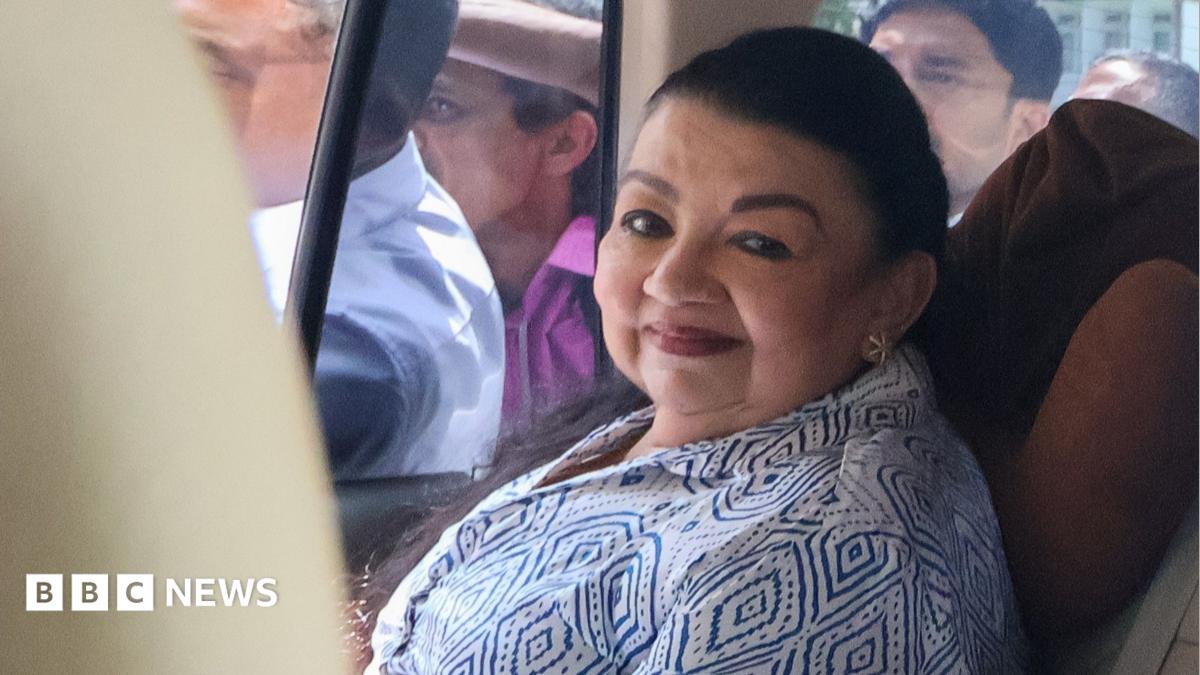
Sri Lankan anti-corruption investigators arrested former first lady Shiranthi Rajapaksa at her family residence in Colombo on Wednesday, marking the latest chapter in a widening crackdown on alleged graft involving the country's most powerful political dynasty.
The 73-year-old wife of former President Mahinda Rajapaksa was taken into custody over claims that a charitable foundation she is associated with diverted donations intended for a children's hospital. Authorities are questioning her about approximately 10 million rupees, equivalent to about $30,300 or £22,800, collected by the Siriliya Saviya charity.
The funds were ostensibly raised to purchase a specialised scanner for Lady Ridgeway Children's Hospital in Colombo, one of the island nation's principal paediatric medical facilities. However, investigators say such a scanner had already been provided to the hospital as a gift from the Chinese government, raising questions about why the charity continued to solicit money for equipment that had already been donated.
The arrest took place just two days after Rajapaksa returned to Sri Lanka from Singapore, where she had been undergoing medical treatment. She had sought legal protection ahead of her homecoming, filing a court petition aimed at blocking any potential detention. That petition, however, was not scheduled to be heard until 12 October, leaving a window during which authorities moved forward with the arrest.
Rajapaksa has consistently denied any criminal conduct. Through her representatives, she has maintained that the funds were never misappropriated and remain intact. A spokesperson for former President Mahinda Rajapaksa, Manoj Gamage, echoed that position, stating that the money is safely held in Siriliya Saviya's bank accounts and insisting that no fraudulent activity has taken place.
The case represents a significant escalation in the current government's efforts to revisit long-dormant corruption allegations tied to the Rajapaksa family, which dominated Sri Lankan politics for nearly two decades. Mahinda Rajapaksa governed from 2005 to 2015, and during that period his relatives occupied numerous senior positions across the government, legislature, and state institutions.
He remains a polarising figure in Sri Lankan public life. Many supporters credit him with ending the country's brutal civil war in 2009, when government forces defeated the Tamil Tiger rebels after nearly three decades of conflict. That military victory cemented his popularity among segments of the Sinhalese majority, even as critics accused his administration of authoritarianism and widespread human rights abuses.
The family's political fortunes, however, unravelled dramatically in 2022. As inflation spiralled and the country exhausted its foreign reserves, Sri Lankans faced crippling shortages of fuel, food, and essential medicines. Mass protests erupted across the island, eventually forcing Gotabaya Rajapaksa — Mahinda's younger brother, who was serving as president at the time — from office.
Since assuming power, the administration of President Anura Kumara Dissanayake has signalled a willingness to pursue corruption cases involving members of the Rajapaksa clan that had previously stalled. Shiranthi Rajapaksa's arrest is widely seen as part of that renewed enforcement push.
The scrutiny has extended across generations of the family. Earlier this year, Namal Rajapaksa — the eldest son of Mahinda and Shiranthi — was arrested in connection with allegations stemming from an aircraft procurement deal finalised during his father's presidency. He is currently being held in remand custody while the case proceeds. His brother, Yoshitha Rajapaksa, was also detained earlier this year on separate corruption charges.
Legal observers note that the timing of Shiranthi Rajapaksa's arrest — occurring before her petition could be heard — may itself become a point of contention in court. Her legal team is expected to argue that the detention pre-empted due process, while prosecutors are likely to contend that the evidence warranted immediate action given concerns the defendant had spent time abroad.
For the Rajapaksa family, the accumulating legal troubles represent a striking reversal of fortunes. Once regarded as untouchable, family members now face the prospect of prolonged courtroom battles. For the Dissanayake government, the case offers an opportunity to demonstrate that its anti-corruption pledges apply equally to the powerful, though it also risks being portrayed by opponents as politically motivated retribution.
The hospital donations case is likely to focus attention on the operations of Siriliya Saviya and how charitable funds are monitored in Sri Lanka. Investigators will need to establish whether donors were misled about the purpose of their contributions and whether the charity's leadership knowingly continued collecting money for equipment the hospital already possessed.
For ordinary Sri Lankans, many of whom lived through the economic collapse of 2022, the case resonates beyond legal technicalities. Public confidence in political accountability remains fragile, and the outcome of this prosecution may shape perceptions of whether entrenched impunity can genuinely be dismantled.
Shiranthi Rajapaksa's immediate future now rests with the anti-corruption authorities and, ultimately, the courts. As investigators continue questioning her, the broader Rajapaksa family confronts an unprecedented period of legal exposure, with multiple members facing serious allegations simultaneously.








Comments (0)