 fitri-handayani
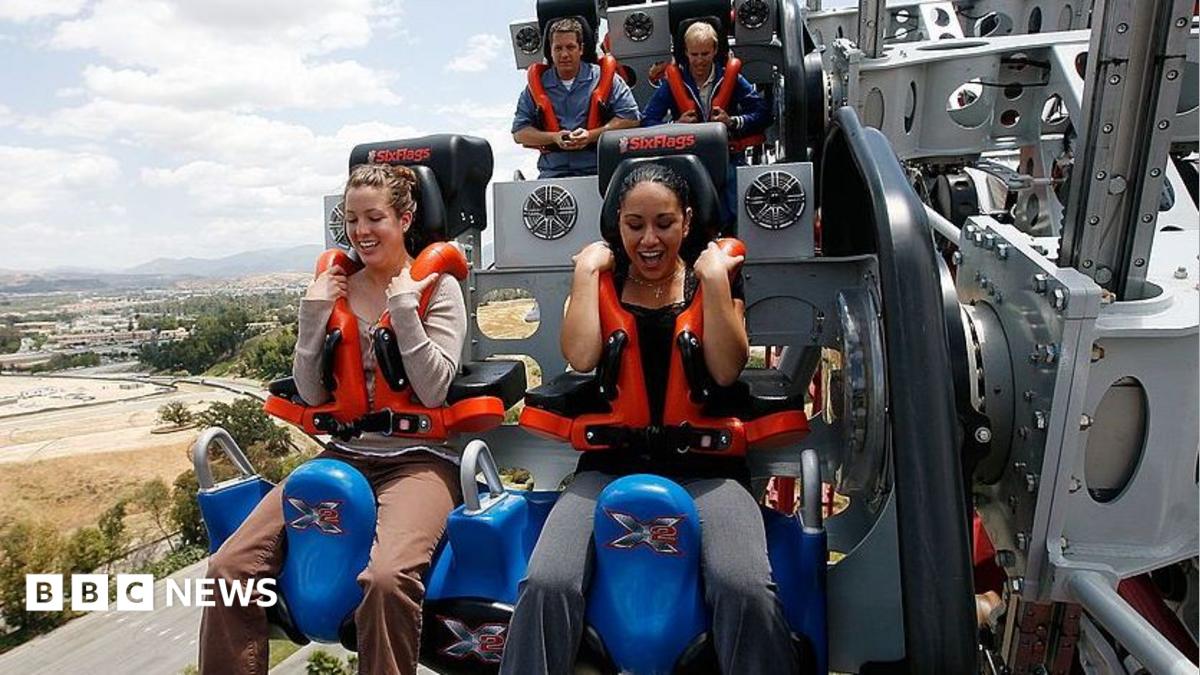
Six Flags Magic Mountain, a prominent amusement park in Valencia, California, has announced it will permanently retire one of its signature rollercoasters following a wave of allegations from riders who say they suffered brain injuries. The decision marks a significant moment for the theme park industry, where high-thrill attractions are central to business models but also face increasing scrutiny over rider safety and long-term health effects.
The ride at the center of the controversy is X2, a coaster known for its intense design featuring seats that spin 360 degrees and long wait times that underscored its popularity among thrill-seekers. X2 has been out of operation since July, and park officials confirmed this week that it will never reopen. The closure comes as legal claims mount, highlighting tensions between entertainment value and potential neurological harm associated with extreme rides.
Six Flags framed the move as a matter of principle rather than a safety failure. In a statement announcing the closure on Tuesday, Six Flags Magic Mountain Park President Brian Oerding said the decision was made because it was “the right thing to do,” even though the ride had passed a range of safety tests. He emphasized that ride safety is a cornerstone of the business and noted that when guest confidence is affected, the company takes it seriously. This positioning suggests the park is responding as much to public perception and trust as to technical evaluations.
The history of X2 underscores a pattern of engineering challenges over nearly two decades. Originally launched in 2002 under the name X, the coaster was closed within months due to design flaws, according to reporting by the Los Angeles Times. It remained shuttered for a period and then closed again in 2007 to replace its trains with lighter versions—a modification intended to improve performance and safety. The ride reopened the following year as X2 and has since carried more than 16 million guests, according to the park.
Despite those modifications and extensive ridership, concerns about injuries persisted and escalated into formal allegations. A law firm representing some plaintiffs, Dordick Law Corporation, said it had been contacted by hundreds of people who alleged they had suffered brain injuries they believed were caused by riding X2. The firm described the experience for many riders as a traumatic departure from expectation: “They got on X2 expecting a thrill. Instead, they left with catastrophic brain injuries,” the statement read. It added that some needed emergency brain surgery and that others are still fighting to get their lives back.
The legal fallout extends beyond civil claims from riders. In 2022, 22-year-old Christopher Hawley died after riding X2. His family pursued a wrongful death lawsuit and settled with the theme park in August. Attorney Brent Wisner of Wisner Baum LLP, representing the Hawley family, issued a strong statement following the closure announcement. He said the family was relieved that Six Flags was finally closing the ride, but stressed that the decision does nothing to change the fact that Christopher Hawley was killed by a dangerous rollercoaster allowed to operate for nearly two decades.
Wisner’s comments point to broader questions about accountability and oversight in the amusement park industry. He called for legal reform, proactive regulation, and proper governmental oversight, arguing that society cannot rely on profit-centered corporations to do the right thing only after enough people have been hurt. His remarks underscore a recurring tension between voluntary corporate action and the need for robust public protections when attractions carry inherent risks.
The closure announcement has been met with mixed reactions. While Dordick Law welcomed the step to protect future guests, it said the decision “does nothing for the people who have already been hurt.” This sentiment reflects the gap between preventive measures and remedies for those who allege lasting harm. For current and former riders considering legal action, the park’s move may shape perceptions of liability but does not resolve existing claims.
The case also raises questions about how theme parks assess and communicate risks associated with extreme rides. Rides featuring high speeds, steep drops, and complex motion—especially spinning elements that can generate intense G-forces—have long been a source of fascination and concern. Medical literature has examined potential links between such forces and neurological effects, though the amusement industry maintains that rides are designed within safety parameters. The Six Flags decision to retire X2 despite passing safety tests suggests that quantitative compliance alone may not be sufficient to maintain public confidence.
For Six Flags Magic Mountain, the closure is a strategic decision with financial and reputational implications. X2 was a marquee attraction that drew crowds and contributed to long wait times, reinforcing the park’s identity as a destination for thrill rides. Removing it means the park must manage guest expectations and potentially invest in new attractions, while also navigating ongoing litigation and media scrutiny.
Beyond the park itself, the episode has broader industry resonance. Theme parks operate under a patchwork of state and local regulations, and high-profile incidents can prompt calls for tighter oversight. The involvement of multiple law firms, hundreds of claimants, and a wrongful death settlement illustrates how legal mechanisms increasingly intersect with safety discourse in the entertainment sector.
In closing, the permanent retirement of X2 represents a confluence of legal pressure, public concern, and corporate judgment. Six Flags’ decision to close a popular ride “because it was the right thing to do” acknowledges the weight of rider allegations and the erosion of guest confidence. Yet, as attorneys for both injured riders and the Hawley family emphasize, the closure protects future visitors but leaves unresolved the consequences for those already affected. The case stands as a reminder that in industries built on adrenaline, the line between thrill and harm carries significant legal, ethical, and human stakes.





Comments (0)