 yoga-mahendra
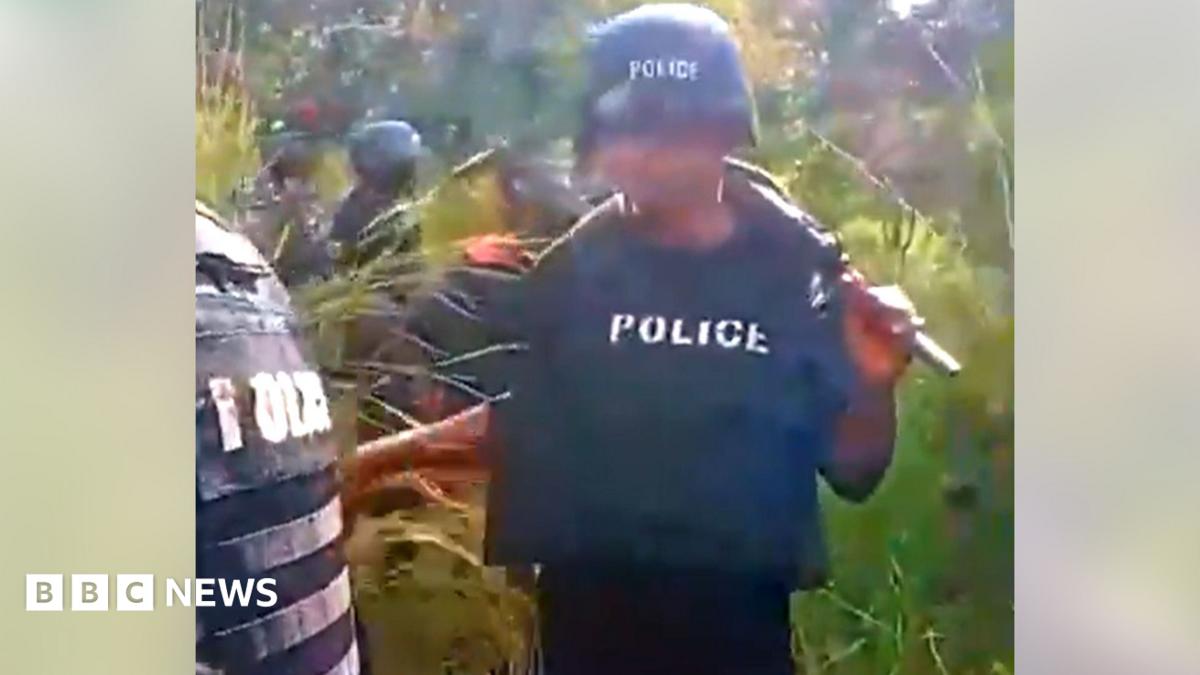
Police in Nigeria's south-eastern Abia State have recovered the remains of at least 28 people from forest camps believed to have been used by kidnapping gangs, a discovery that has renewed alarm over the criminal networks preying on travellers and residents across the region's remote woodlands.
The human skulls and bones were found on Saturday in the Umuaku and Nneato forests, according to the Abia State Police Command, following a security operation conducted in the Umunneochi area. Officers suspect the remains belong to victims of kidnapping, though forensic examinations and other inquiries are still under way to confirm their identities and establish how they died.
Maureen Chinaka, a police spokeswoman for the command, said in a statement that the suspects had abandoned their camps when officers moved in. "Upon arrival of the Command's tactical operatives at the camps, the suspects fled. The criminal camps were subsequently dismantled," she said. She added that a total of 28 human skulls and bones, suspected to be those of kidnap victims, were recovered during the operation.
The raids were triggered by intelligence reports pointing to criminal activity in the forests, police said. Surveillance in the area has since been stepped up as officers try to track down the individuals who escaped. Abia State Police Commissioner Wilfred Afolabi described the operation as part of a broader, continuing effort to dismantle criminal hideouts operating within the state.
Authorities have appealed to local residents to come forward with information about suspicious activity or security concerns, saying public cooperation could help investigators identify the dead and determine whether the remains are linked to outstanding kidnapping cases recorded in the region. The process of matching the remains to missing persons is expected to be painstaking, given the condition of the evidence and the limited forensic resources available in many parts of Nigeria.
The grisly find is likely to revive long-standing fears about kidnapping syndicates that operate in the dense forests spanning parts of south-eastern Nigeria. Criminal groups in the region have repeatedly targeted motorists, long-distance travellers and local residents, seizing them and holding them in hidden camps until ransom payments are made. The remoteness of the terrain has made such camps difficult to locate and raid, and gangs have often exploited the limited presence of security forces in rural areas.
It is not the first time that decomposing bodies thought to be connected to kidnapping have been uncovered in Umunneochi during security sweeps, suggesting that the area has served as a hub for such activity over an extended period. Each new discovery adds to a growing body of evidence about the scale of the problem, even as the true number of victims remains unknown.
The Abia discovery came during a weekend of violence and abductions elsewhere in Nigeria, underlining how widespread the kidnapping threat has become. In separate mass kidnappings in the country's north, more than 80 people – most of them women – were seized in two states.
In Niger State, gunmen abducted nearly 50 farmers on Sunday. In the neighbouring state of Zamfara, roughly 40 other women were taken on the same day, according to two security reports seen by the news agency AFP and a local source. The timing of the two attacks highlighted the coordination and audacity of armed groups that operate with relative impunity in parts of the north-west and north-central regions.
Kidnapping for ransom has become a major source of income for criminal organisations in northern Nigeria, including armed bandit groups and militant Islamists. The business model has proved lucrative and resilient, with gangs often targeting schools, farming communities and travellers, and sometimes holding large numbers of captives for weeks while negotiations drag on. Families are frequently forced to sell assets or pool resources to pay ransoms, while some victims are killed or die in captivity.
Taken together, the events of the past weekend point to a security crisis that spans multiple regions of Africa's most populous country. In the south-east, authorities are grappling with forest-based kidnapping gangs; in the north, mass abductions by heavily armed groups have become a recurring feature of life for many communities. Both patterns have eroded public confidence and placed enormous pressure on Nigeria's security forces, which are stretched across numerous fronts.
For the families of the missing, the Abia discovery may bring both a measure of closure and fresh anguish. Investigators have not yet said whether any of the recovered remains match people reported missing in recent months or years, and a formal identification process could take considerable time. Police have urged anyone with information about unresolved kidnappings to contact the authorities.
Security analysts say dismantling kidnapping networks requires more than periodic raids. Intelligence gathering, community trust and improved policing in rural areas are all seen as essential to preventing gangs from re-establishing camps in forests once they have been cleared. The continued recovery of human remains from such sites suggests that earlier operations have not been enough to break the cycle.
For now, the Abia State Police Command says its campaign against criminal hideouts will continue, with officers pursuing those who fled the Umuaku and Nneato camps. Residents in the surrounding communities, already accustomed to living with the threat of abduction, are waiting to learn whether the bones recovered from the forest belong to neighbours, relatives or strangers – and whether the arrests that follow will bring an end to the killings.








Comments (0)