 yoga-mahendra
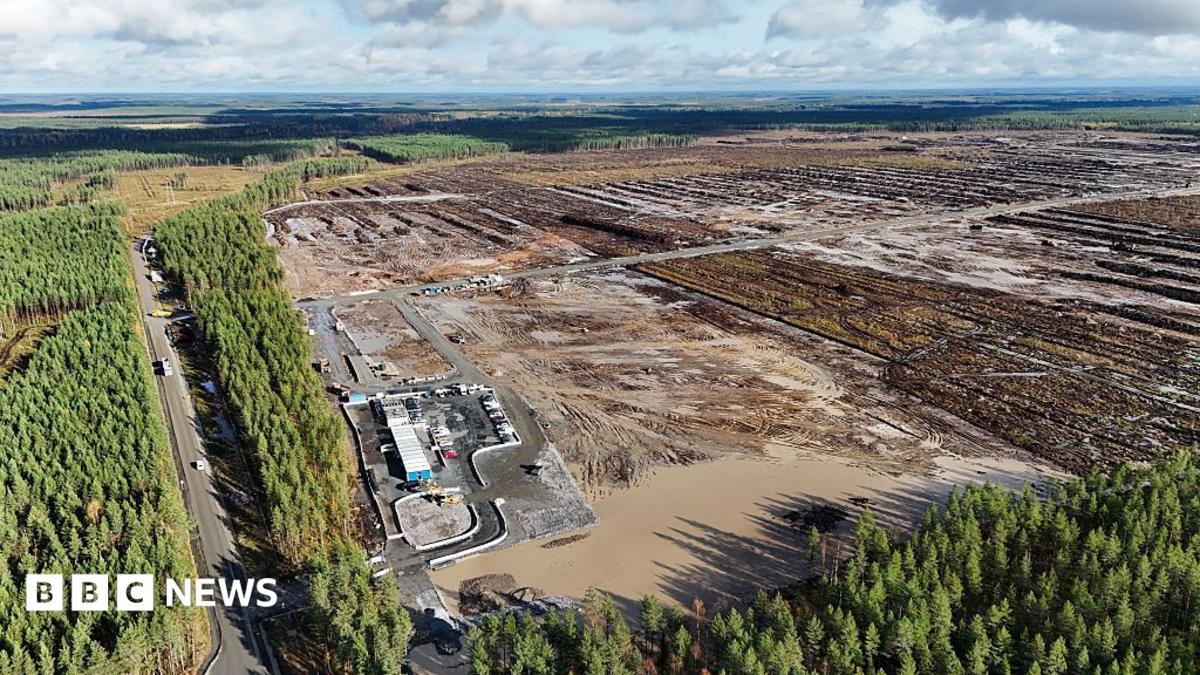
Finnish regulatory authorities have intervened in Google's ambitious expansion plans in the Nordic country, ordering construction work to stop at two planned data centre sites following concerns about extensive forest clearance. The Finnish Supervisory Agency (LVV) announced that preparatory work at locations in Muhos and Kajaani must be suspended by 23 October, citing environmental compliance failures that could have significant consequences for the technology giant's largest European investment to date.
The intervention comes less than a month after Google unveiled a record-breaking €13bn (£11bn; $15bn) commitment to Finland, which the company described as its single largest investment in Europe. The discrepancy between the fanfare surrounding the announcement and the subsequent regulatory action highlights the growing tension between rapid digital infrastructure expansion and environmental protection obligations across the continent.
According to the LVV, work at one of the sites proceeded without the mandatory environmental impact assessment that Finnish law requires for projects of this scale. The agency has demanded that measures capable of "significantly altering the environment" be halted immediately, with a compliance deadline set for 23 October. The orders specifically relate to preparatory activities that had already been carried out at both locations.
Tommi Muilu, who leads the environment division at LVV, detailed the nature of the work that prompted the regulatory response. The activities included the removal of trees and topsoil across more than 300 hectares of forest, the construction of site roads and storage areas, and modifications to existing drainage ditches. These operations, according to the agency, were conducted without the proper environmental oversight that such large-scale land transformation demands.
The regulatory action represents a significant setback for Google's timeline in Finland, where the company had planned to develop new data centres in Kajaani, Muhos and Vaala, alongside additional investment in its existing facility in Hamina. The €13bn commitment, announced with considerable fanfare, was positioned as a cornerstone of Google's European infrastructure strategy and a vote of confidence in Finland's attractiveness as a destination for technology investment.
Tuike Finland, the entity responsible for delivering Google's data centre projects in the country, has been instructed to provide an explanation of the circumstances and outline its proposed path forward by 14 October. The LVV has warned that failure to comply with its demands could trigger formal enforcement proceedings, a step that would escalate the regulatory pressure on the company and potentially delay the entire project timeline.
Environmental advocates had previously raised alarms about the clearing operations. Hanna Halmeenpaa, chair of the Finnish Association for Nature Conservation, told AFP that "nature sites which should be preserved" had been felled as part of the preparatory work. The conservation group had publicly called for a halt to operations while environmental requirements were thoroughly examined, and their concerns have now been validated by the regulatory intervention.
Google responded to the development with a statement acknowledging that its conduct had not met its own expectations. "We understand the concerns and have fallen short of our own high standards in this instance," the company told the BBC. Google further stated that it had "acted in good faith under the Forestry Act," conducted nature surveys, and implemented measures intended to protect areas of high environmental value.
The company also pointed to its broader environmental commitments in the region, noting that it is advancing landscaping and biodiversity plans that include planting trees across 130 hectares at the Muhos site. These plans, according to Google, form part of its long-term approach to operating responsibly in Finland, though the timing of their implementation has now come under scrutiny given the regulatory action.
The scale of Google's Finnish investment underscores the strategic importance of the Nordic nation to the company's European operations. The infrastructure is designed to support growing demand for services including Search, Maps and the company's AI assistant Gemini, all of which require substantial computing power and data storage capacity. Google has estimated that the construction phase during 2027 and 2028 will support more than 37,000 jobs and contribute an average of €3.6bn annually to Finland's economy.
Finland has emerged as an increasingly attractive location for data centre development, owing to its cool climate and access to low-carbon electricity. Lower ambient temperatures can significantly reduce the energy required to cool facilities filled with computer servers, improving both operational efficiency and environmental performance. These advantages have drawn interest from multiple technology companies seeking to expand their European footprints while managing energy costs and carbon emissions.
As part of its Finnish expansion, Google also signed a 22-year power purchasing agreement with Finnish energy company Fortum, covering up to half the capacity of the Loviisa nuclear power plant. Fortum indicated that the agreement would help support the plant's continued operation until 2050, providing a stable, low-carbon energy source for Google's growing infrastructure needs. The deal illustrates the increasingly intertwined relationship between technology companies and energy providers as data centre demand surges.
The regulatory intervention in Finland raises broader questions about how technology companies balance ambitious expansion targets with environmental stewardship. While Google has emphasised its commitment to sustainability and responsible development, the LVV's findings suggest that operational execution may have fallen short of stated intentions. The coming weeks will be critical as Tuike Finland prepares its response and the agency determines whether enforcement proceedings are necessary.
For Finland, the episode presents a delicate balancing act. The country has actively courted data centre investment as an economic development strategy, leveraging its natural advantages to attract global technology players. Yet the regulatory action demonstrates that environmental safeguards will be enforced, potentially setting a precedent for how similar projects are managed in the future. The outcome of this case could influence both Google's approach to development in the region and the calculations of other companies considering Finnish investments.









Comments (0)