 irwan-setiawan
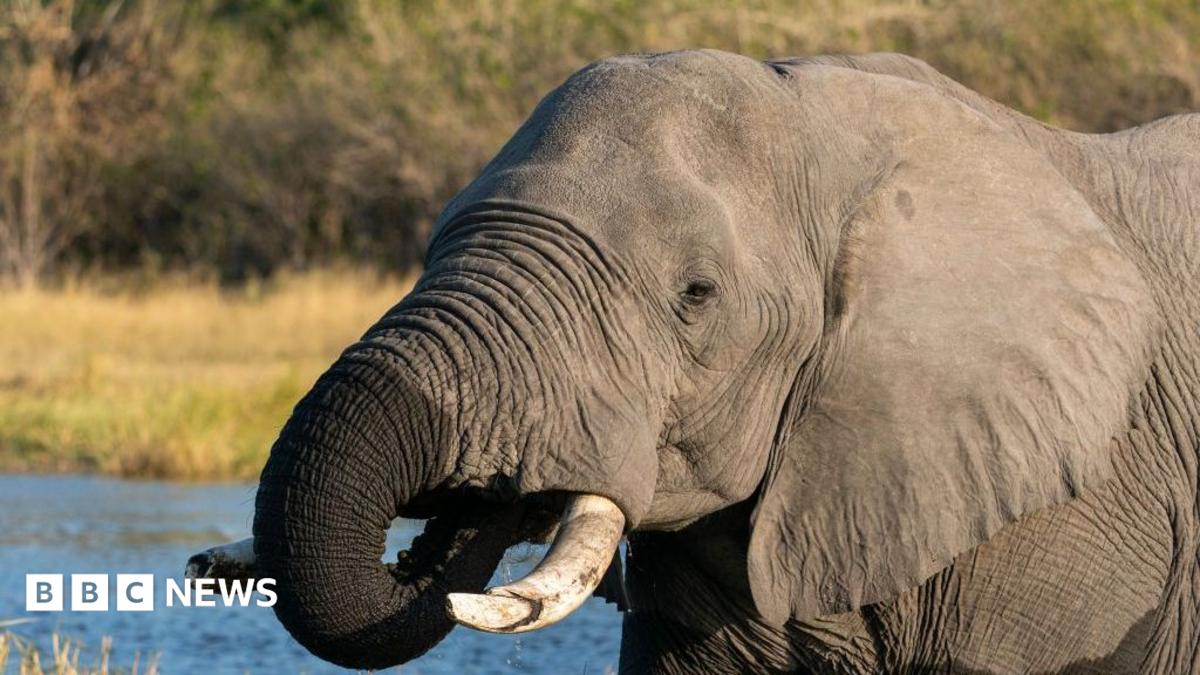
Botswana has approved the killing of 23 elephants to supply meat for the country's 60th independence anniversary celebrations, a move that has drawn strong condemnation from animal welfare campaigners and stirred fresh debate over how the southern African nation manages its wildlife.
The landlocked country, which holds the world's largest elephant population, is marking six decades since gaining independence from Britain with festivities across the nation on Wednesday. Events include a carnival in the capital, Gaborone, alongside cultural performances, concerts and sporting events.
According to a licence issued by the Ministry of Environment and Tourism and reported by local media, the hunting of 23 elephants and other wild animals was authorised for what the document described as "complimentary purposes". The game meat is expected to feature in traditional feasting tied to the national holiday.
The Elephant Protection Society, a Botswana-based advocacy group, has warned that the decision could weaken the country's conservation record. Its chairman, Oaitse Nawa, told the BBC that elephants require stronger safeguards rather than being hunted for celebratory meals.
Nawa cautioned that sanctioning the slaughter of elephants for festivities risks sending a message that killing the animals is acceptable, which could in turn embolden poachers. He also pointed to the social toll on elephant herds, saying the animals have lost their social structures because they are constantly being displaced by gunfire.
The allocation of 23 elephants was spread across eight districts, though it remained unclear by Wednesday morning how many of the animals had actually been killed. The BBC said it had approached the government for comment, while local media carried images from various parts of the country showing residents gathered around elephant carcasses, some holding knives and sharing out the meat.
In Chobe, a wildlife-rich district in northern Botswana bordering Namibia, Zambia and Zimbabwe, a local lawmaker raised concerns about how the meat was being distributed. Simasiku Mapulanga said residents had reportedly collected portions directly from a carcass at a school, a process he argued risked overcrowding and left elderly people, pregnant women and people with disabilities at a disadvantage.
Writing on Facebook alongside photographs of people scrambling for meat around an elephant carcass, the MP called for the meat to be processed into 5kg or 10kg packages instead, saying this would improve hygiene and ensure fairer distribution. "For the sake of dignity, fairness and public hygiene, we respectfully call on the hunter and the relevant leadership to ensure that future distributions are properly organised," he said.
Public unease has also surfaced over the safety of consuming the game meat amid an outbreak of foot-and-mouth disease, which has prompted authorities to introduce measures aimed at containing its spread. Several social media users in Botswana have questioned whether eating the meat is advisable under the current circumstances.
Tshenatshe Monwela, an elder in Maun, a tourism town in north-western Botswana, told local media that his community should have received buffalo instead of elephant. He argued that elephants carry particular cultural and ecological importance, and that Botswana's historical role in protecting wildlife and livestock should have been reflected in how the government distributed meat for the anniversary.
Elephant meat is not an everyday staple in Botswana, though it is common in some communities living in wildlife-rich areas, particularly when meat from legal hunts is shared locally. The country maintains strict regulations on game meat, and legal possession generally requires proof that it came from a lawful hunt.
The controversy has reignited a long-running and frequently heated argument in Botswana about the management of its enormous elephant population, which exceeds 130,000 animals. Communities living alongside the herds have complained for years that the animals destroy crops, damage property and sometimes kill people.
The government has defended regulated hunting as a tool for managing elephant numbers and human-wildlife conflict while generating income for local communities. Botswana banned trophy hunting in 2014 under then-president Ian Khama, but the restrictions were lifted five years later by his successor, Mokgweetsi Masisi, and hunting has continued under President Duma Boko, who defeated Masisi in the 2024 elections.
Authorities say proceeds from hunting support conservation and local development. Minister of Environment and Tourism Wynter Mmolotsi told parliament last year that special elephant quotas generated 15.6 million pula, equivalent to about $1.1m or £820,000, in 2025 for projects in areas where elephants are found.
Conservation organisations have nonetheless questioned whether current hunting levels are sustainable. Supporters of the policy counter that international criticism often ignores the burden borne by rural communities who live alongside one of the world's largest concentrations of elephants, pointing to destroyed crops and infrastructure and the danger the animals pose as their range increasingly overlaps with farms and settlements.


Comments (0)