 yoga-mahendra
Iran has said it will wait for an official response from US negotiators after President Donald Trump rejected a proposal to reopen the Strait of Hormuz to commercial shipping within seven days, leaving the future of one of the world's most important energy routes unresolved and the decision in the hands of mediators rather than either government.
The waterway, through which roughly a fifth of global oil and gas supplies normally pass, has been effectively closed since the outbreak of war in February. Its closure has choked off a vital commercial artery, raised insurance and freight costs and forced buyers to seek alternative routes and reserves at a time when global energy markets were already under pressure.
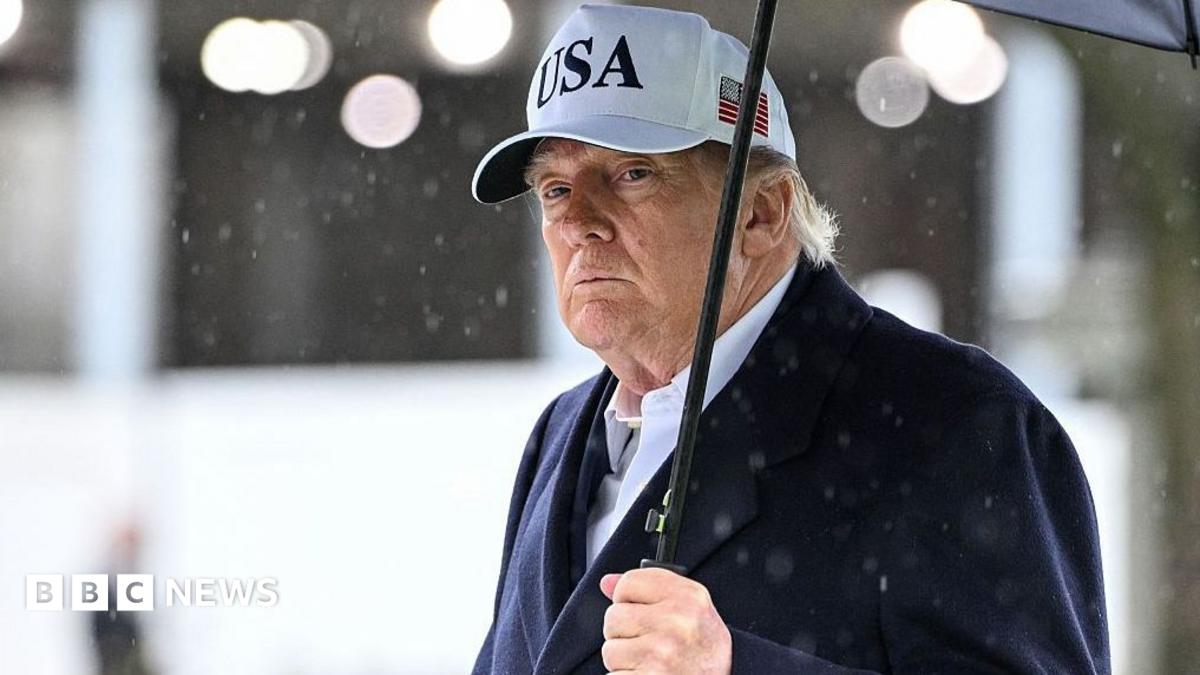
Trump addressed reporters at the White House, saying Tehran's offer was not "acceptable" and claiming Iran wanted the strait reopened immediately because "they're losing so badly". Speaking on Saturday, he was blunter: "I'm rejecting their deal." He also asserted that Washington already has "total control" of the waterway, with "massive amounts of oil" passing through it — a claim that sits uneasily with Iran's account of why the strait needs reopening at all.
Iran's initiative came during negotiations on the sidelines of the UN General Assembly in New York earlier this week, where Tehran raised both the reopening of the strait and the possibility of ending hostilities.
On Friday, Iranian Foreign Minister Abbas Araghchi told reporters that an agreement could be reached if "necessary conditions are met" between the two countries. He said those conditions were identical to those set out in a memorandum of understanding signed between the US and Iran in June, suggesting Tehran considered it was offering terms already on the table rather than a new package.
In a post on Telegram, Araghchi acknowledged Trump's rejection but said the president "has made many good statements, as well as many contradictory ones, which unfortunately we hear frequently" — a clear signal that Tehran sees public US messaging, rather than the negotiations themselves, as the main obstacle.
"We are waiting for the mediators to convey the definitive views to us, and we will make a decision based on them," Araghchi wrote, indicating that Tehran has not closed the door and is prepared to judge the next US move on its formal terms rather than on presidential remarks.
Analysts point to a fundamental gap in the two positions. Iran appears to be offering a phased reopening on a seven-day timetable, tied to the June memorandum and to an end to attacks on commercial vessels, while the White House appears to be reading the proposal as an attempt to secure the strait's opening before any of Tehran's wider commitments are secured. Whether the disagreement concerns substance or simply sequencing and speed remains unclear, and that ambiguity carries its own risks: two governments reading the same proposal as generous or inadequate are a recipe for miscalculation.
Oman, which has been acting as mediator between Washington and Tehran, has pressed both sides to keep talking. Oman's foreign minister, Sayyid Badr bin Hamad bin Hamood Albusaidi, told the UN General Debate that "all parties" should cooperate with Oman in efforts to safeguard navigation in the strategic waterway.
The US rejection drew support from within the administration. Matthew Whitaker, the US ambassador to Nato, told Fox News on Saturday that Iran had offered "half measures" and "illusory deals to make themselves look good on the world stage", adding that it was right for Trump to reject the offer. His comments place the dispute squarely within a week of hardened rhetoric at the United Nations, where Trump threatened to "annihilate" Iran.
The White House is also pressing an economic track. Treasury Secretary Scott Bessent said on Saturday that US pressure was taking a toll on Tehran, posting on X that Turkey, Oman and the United Arab Emirates had halted flights from various Iranian airlines and that some banks in the UAE and Turkey had stopped transactions with Iran — measures that target airlines and financial channels rather than Tehran's military capacity.
The Trump administration has branded its economic blockade on Iran "Operation Economic Outcast", using sanctions to try to force Tehran to halt attacks on vessels in the Strait of Hormuz.
Some economists have questioned whether the latest sanctions will be effective, since their impact depends heavily on the response of Iran's major trading partners. China, the biggest buyer of Iranian oil, has previously ignored US sanctions and continued doing business with Tehran — and any weakening of that resistance would blunt the pressure campaign.
The distinction matters because aviation suspensions and banking restrictions bite in areas where sanctions are easiest to enforce through counterparties' fear of secondary penalties, while crude purchases depend on shipping, insurance and refining networks that have proved more resilient. Whether companies in the Gulf and Turkey sustain those restrictions, or quietly resume business, will determine whether economic coercion succeeds where earlier rounds failed.
In the meantime, the next few days are decisive. Tehran has tied any further move to an official US response relayed through mediators, and a seven-day reopening window that has been publicly rejected is unlikely to survive unchanged. If the formal US answer never arrives, or arrives with conditions Tehran rejects, the strait is likely to remain closed and the economic pressure campaign becomes the principal lever — raising the risk of further attacks on shipping and a broader escalation.
The diplomatic picture is also widening. Iran's president has said it will never "bend the knee", while Britain's Foreign Secretary Ed Miliband told Iran's foreign minister that the UK will not tolerate hostile activity on British soil — signals that Tehran's standoff with Washington is drawing its allies more directly into the crisis.








Comments (0)