 yoga-mahendra
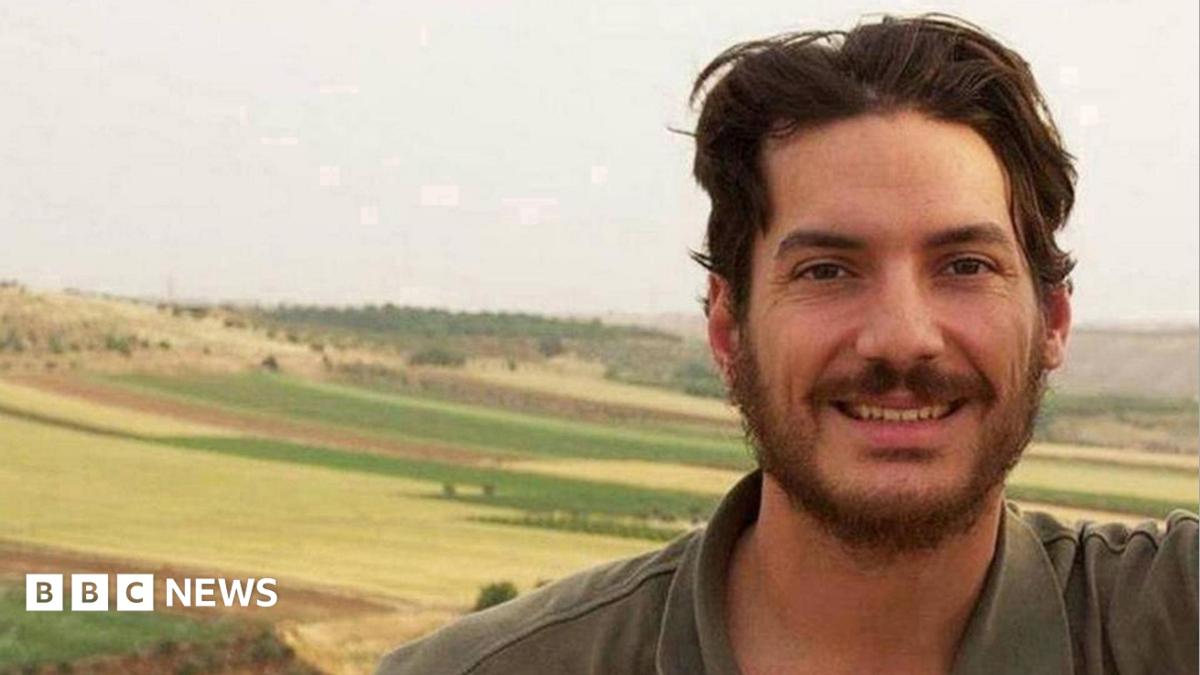
The 2012 disappearance of American journalist Austin Tice was not a chance encounter at a military checkpoint as long presumed, but a meticulously planned operation orchestrated over more than four weeks by the Syrian regime, according to an extensive investigation.
Testimonies from former regime-aligned operatives indicate that the abduction received direct approval from the highest echelon of the Syrian state, with former President Bashar al-Assad himself sanctioning the operation after receiving intelligence regarding Tice’s movements in opposition-controlled territory.
For over a decade, international observers and family members believed Tice had been captured opportunistically after crossing an unexpected government roadblock. However, newly uncovered accounts and internal records reveal a methodical plot initiated through deep personal betrayal by someone Tice believed was an ally.
According to Abu Ali, a former member of the pro-regime National Defence Forces (NDF) militia, the operation was set in motion by Tice's personal driver. Unknown to the American reporter, this driver had been covertly relaying details about his travel itineraries and journalistic activities to loyalist security contacts.
The driver initially alerted Sakr Rustom, an influential NDF militia figure whose uncle, Bassam al-Hassan, commanded the NDF and served as one of Assad’s most trusted inner-circle security advisers. Hassan promptly escalated the matter to the presidential palace via a telephone call, prompting Assad’s explicit directive to "bring him to us."
Instead of executing an immediate capture, the operatives chose to prolong the sting. The driver reportedly convinced NDF handlers that maintaining surveillance would yield valuable intelligence about opposition networks, telling them that Tice placed absolute confidence in him.
Tice, a Georgetown University law student and former captain in the U.S. Marine Corps, had traveled deep into dangerous Syrian territory to document the unfolding civil war. His reporting, which appeared on the front pages of major publications like The Washington Post, highlighted sensitive developments at a time when the Assad government was aggressively suppressing accounts of human rights abuses.
During his time embedded with rebel groups, Tice's military background occasionally showed through, as he shared advice and corrected fighters on their weapon-handling techniques. This behavior heightened suspicion among regime operatives tracking him, leading them to believe he might be an undercover operative for the Central Intelligence Agency. However, no evidence supports this theory, and a former senior U.S. official has firmly denied that Tice had any connection to intelligence agencies.
As the surveillance operation intensified, the driver took increasingly daring steps to compromise Tice. While the journalist was occupied conducting interviews with rebel combatants, the driver covertly took Tice's backpack—containing his MacBook laptop, satellite communication gear, and personal belongings—and handed it over to regime intelligence personnel for forensic examination.
Just days before his disappearance, Tice celebrated his 31st birthday on August 11, 2012, at a rebel safehouse located west of Damascus, merely miles from the presidential palace. In what would become his final public message on social media, Tice described the event—complete with a pool, music by Taylor Swift, whiskey, and Free Syrian Army members—as the "best birthday ever."
Shortly afterward, Tice vanished into state custody. More than a month elapsed before any visual confirmation surfaced, when a harrowing video was released showing the American reporter blindfolded, distressed, and held by unidentified captors.
In the years that followed, Tice's disappearance became one of the most prominent missing-person cases in modern American journalism. His mother, Debra Tice, relentlessly petitioned multiple U.S. administrations to secure his release, and the case was repeatedly highlighted by successive American presidents.
When the Assad administration eventually collapsed twelve years later, tens of thousands of detainees walked free from the regime's notorious network of prisons. Yet, Tice was not among the surviving prisoners who emerged from the facilities, reigniting urgent searches across Damascus and surrounding regions.
Investigators pursued specific coordinates supplied by intelligence sources pinpointing suspected detention facilities where Tice might have been hidden. Despite scouring these locations for more than a month, search teams found no trace or physical evidence of the missing correspondent.
Conflicting narratives regarding Tice’s fate continue to linger among former regime figures. While one former Syrian military commander asserted that the American journalist was executed, others have contested this claim, and no bodily remains have been recovered to confirm his death.
Nevertheless, the collapse of the government yielded hundreds of pages of previously concealed Syrian intelligence documents. These internal files provided the first definitive physical evidence that Tice was systematically held by Assad’s security apparatus, closing the door on regime denials while exposing the premeditated conspiracy that orchestrated his capture.







Comments (0)