 irwan-setiawan
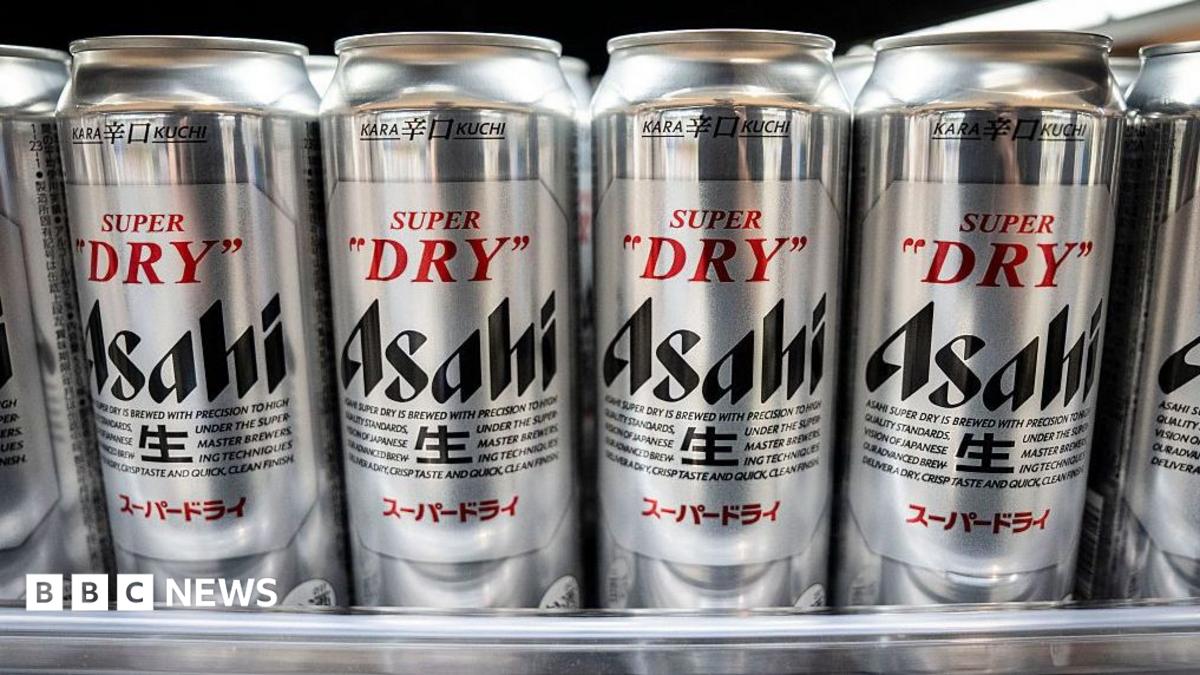
Japanese antitrust authorities have launched a sweeping investigation into the country's largest beer manufacturers, raiding their offices over suspicions that they coordinated to push up prices for consumers. The Japan Fair Trade Commission conducted searches at multiple major brewers, marking a significant escalation in scrutiny of competitive practices within one of Japan's most iconic industries.
Asahi and Kirin, two of the country's dominant beer producers, both confirmed that their premises had been searched by government investigators. The companies acknowledged the raids and stated their intention to cooperate fully with the Fair Trade Commission's inquiry. Neither firm provided additional details about the scope or specific targets of the investigation.
Reports indicate that Sapporo Breweries and Suntory Spirits were also subject to searches, though neither company has publicly confirmed the raids at the time of reporting. Both firms were contacted for comment regarding the investigation but have not yet issued formal statements addressing the matter.
The investigation appears to centre on two distinct rounds of price increases implemented by the major brewers. According to reporting by the Japan Times, authorities are examining price hikes that took effect in April of last year as well as a separate round of increases implemented in October 2022. The timing suggests regulators are scrutinising whether these consecutive adjustments were the result of independent business decisions or coordinated actions among competitors.
All four companies publicly announced their price increases at the time, explaining that rising costs for raw materials, energy, and transportation necessitated the adjustments. These justifications are common across the beverage industry, where input costs for ingredients like malt, hops, and aluminium for cans can fluctuate significantly based on global commodity markets and currency exchange rates.
Market reaction to news of the investigation was swift and negative for the publicly traded companies involved. Shares in Asahi, Kirin, and Sapporo all experienced declines following the disclosure of the antitrust raids on Wednesday. Suntory, which operates as a privately held company, does not face the same immediate market pressures from shareholder reactions.
Kirin Holdings issued a detailed statement acknowledging that its subsidiary, Kirin Brewery Company, had been searched "on suspicion of a violation of the Antimonopoly Act." The parent company emphasised that it views the situation with utmost seriousness and pledged complete cooperation with the Fair Trade Commission's investigation and any subsequent requests for assistance from authorities.
The company further noted that it has not yet determined what financial impact, if any, the investigation might have on its business results. Kirin Holdings committed to promptly disclosing any material developments as the situation evolves, a standard practice for publicly traded companies facing regulatory scrutiny.
Asahi Breweries similarly confirmed it was "subject to investigation by the Japan Fair Trade Commission regarding a suspected violation of the Act on Prohibition of Private Monopolization and Maintenance of Fair Trade." The company echoed Kirin's commitment to full cooperation with investigators, though it did not elaborate on the specifics of the allegations.
The Japan Fair Trade Commission has not issued a public statement regarding the raids or the ongoing investigation. The commission typically maintains confidentiality during the early stages of antitrust inquiries to avoid compromising the fact-finding process or unfairly damaging the reputations of companies that may ultimately face no formal charges.
Japan's beer market is among the most competitive in the world, dominated by a handful of large producers that have historically maintained complex relationships. The industry has faced various challenges in recent years, including changing consumer preferences toward ready-to-drink beverages and non-alcoholic options, as well as a declining domestic population that reduces the traditional customer base.
The alleged coordination on pricing, if proven, would represent a significant breach of Japan's antitrust laws, which prohibit companies from engaging in cartel behaviour that harms consumers. Such violations can result in substantial fines, mandatory business improvement orders, and in severe cases, criminal referrals for company executives involved in the misconduct.
The timing of the two price increases under investigation is noteworthy because they occurred during a period of significant economic disruption. Global supply chains faced persistent challenges following the COVID-19 pandemic, and Russia's invasion of Ukraine in early 2022 exacerbated energy and commodity price volatility worldwide. These factors provided plausible cover for price adjustments that might otherwise have attracted closer scrutiny.
However, antitrust authorities in multiple jurisdictions have grown increasingly vigilant about detecting whether companies exploited broader economic disruptions as cover for coordinated anticompetitive behaviour. Regulators across Europe, North America, and Asia have launched numerous investigations into various industries where simultaneous price increases raised suspicions of collusion rather than independent responses to market conditions.
The outcome of the investigation remains uncertain, and no formal charges have been filed against any of the companies involved. The Fair Trade Commission's inquiry could take months or even years to complete, depending on the complexity of the evidence and the cooperation of the parties involved. Companies found to have violated antitrust laws typically have opportunities to respond to allegations before final determinations are made.
For Japanese consumers, the investigation raises questions about whether they paid more for their beer than market conditions alone would have dictated. Japan has one of the highest per-capita beer consumption rates in Asia, though consumption has declined in recent years due to demographic shifts and changing drinking habits among younger generations. The outcome of this case could influence future pricing decisions across the entire beverage sector.
The broader implications extend beyond beer manufacturers to the general business climate in Japan, where competition authorities have historically taken a measured approach to enforcement. An aggressive investigation into such prominent companies signals a potential shift toward more rigorous antitrust oversight, which could affect merger reviews, distribution practices, and pricing strategies across multiple consumer goods industries in the world's third-largest economy.









Comments (0)