 fitri-handayani
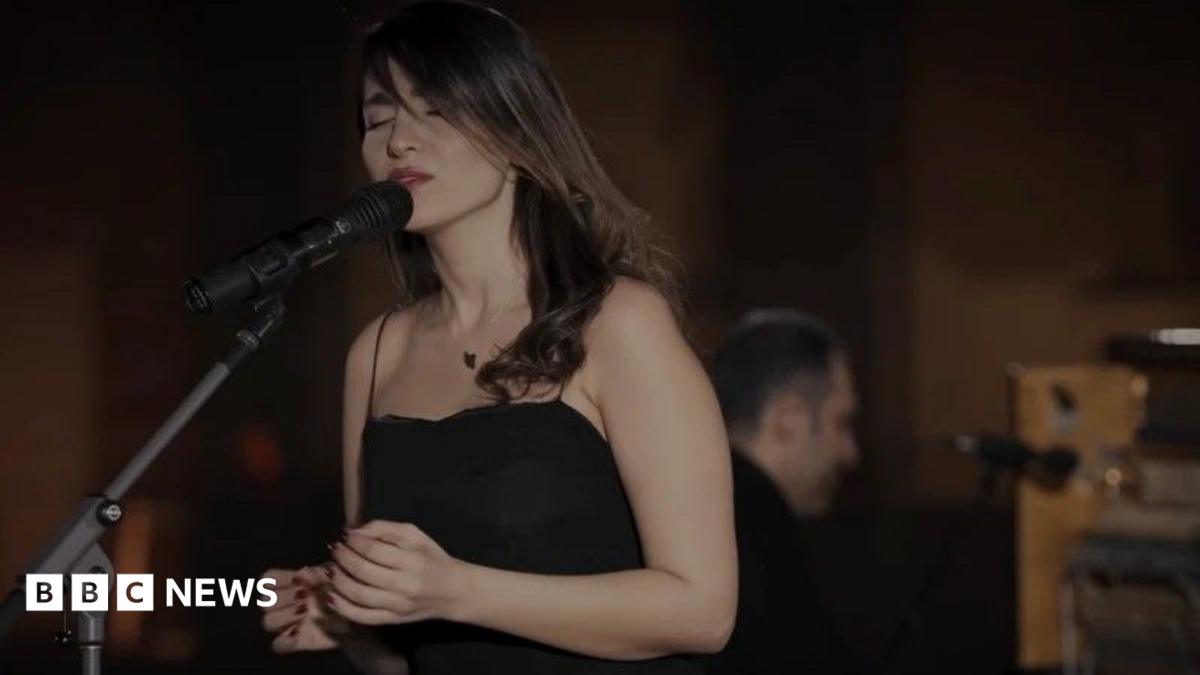
An Iranian appeals court has upheld a sentence of 74 lashes for Parastoo Ahmadi, a prominent singer who was convicted after performing in public without the country's mandatory hijab, according to her legal team. The ruling, confirmed on Friday, brings an end to the latest stage of a case that has drawn international condemnation and become a flashpoint in Iran's long-running debate over women's dress and artistic freedom.
Ahmadi, 29, was arrested and prosecuted after a concert she livestreamed on her YouTube channel in December 2024 went viral, accumulating millions of views. During the performance, she sang while wearing a sleeveless dress, a direct departure from Iranian regulations that prohibit women from appearing in public without a headscarf and modest clothing, and bar female performers from giving public concerts.
The judiciary argued that the performance amounted to a breach of the country's legal and cultural standards, and authorities launched proceedings against Ahmadi shortly after the video spread online. In June, a criminal court in the city of Qom reportedly convicted Ahmadi along with eight members of her band and production crew on charges that included "offending public decency" through the publication of what the court characterized as "obscene and indecent material."
Beyond the corporal punishment, the court imposed a two-year ban on the defendants engaging in audiovisual work and prohibited them from leaving the country. The group's lawyers said they appealed the decision, but the higher court rejected their challenge without holding a hearing, leaving the original sentence intact.
One of the defense lawyers, speaking to the BBC, expressed dismay at the outcome. The lawyer argued that the concert itself did not constitute a crime and pointed out that the trial court could have chosen alternatives such as fines or less severe penalties. The lawyer also suggested that the absence of a hearing at the appeals stage, despite being permissible under Iranian procedure, indicated that the primary aim of the ruling was to discourage similar performances in the future.
News of the initial verdict had already provoked a wave of reactions across Iranian society and among the diaspora. Googoosh, the iconic exiled Iranian singer, posted a message on Instagram expressing hope that "these dark days" would end and that women would regain the ability to choose how they live and dress, and that artistic expression would once again flourish in the country. The renowned musician Hossein Alizadeh made an emotional gesture, stating publicly that he was "willing to take 70 lashes in Parastoo Ahmadi's place."
Human rights organizations also weighed in. Amnesty International condemned the sentence, warning that flogging amounts to cruel, inhuman, and degrading punishment and violates the absolute prohibition on torture and other ill treatment under international law. The organization's stance reflects broader concerns among rights groups about the use of corporal punishment in Iran for what they describe as matters of personal expression.
The case carries echoes of an earlier incident in January 2024, when Kurdish-Iranian activist Roya Heshmati was flogged 74 times after being convicted of "violating public morals." Her offense stemmed from a photograph posted on social media showing her without the hijab. According to the Kurdish rights group Hengaw, Heshmati said a female officer forcibly placed a scarf on her head at a prosecutor's office in Tehran before a male officer whipped her on the shoulders, back, hips, and legs. The parallel in sentencing—both women receiving the same number of lashes—has been noted by observers as a sign of consistency in the judicial approach to alleged dress code violations.
Under Iranian law, which is based on the country's interpretation of Sharia, women and girls above the age of puberty are required to cover their hair with a hijab and wear long, loose-fitting clothing to conceal their figures. The enforcement of these rules has varied over time, but the issue remains one of the most contentious in Iranian society.
The current climate traces back at least to 2022, when protests swept across the Islamic Republic following the death in custody of Mahsa Amini, a 22-year-old Kurdish woman who was detained by morality police in Tehran in September of that year for allegedly wearing her hijab "improperly." During the nationwide demonstrations that followed, women burned their headscarves or waved them in the air as symbols of defiance against the clerical establishment. Security forces cracked down violently on the protests, and hundreds of people were killed.
Since then, many women and girls have stopped covering their hair in public altogether, an open defiance of the dress code that authorities have struggled to contain. The government has responded with periodic waves of arrests, warnings, business closures, and other punitive measures, but the defiance has persisted in many urban areas.
Earlier this month, discussions about hijab enforcement took on a new dimension when Gholamali Haddad-Adel, a conservative politician and member of the Expediency Council, who is also the father-in-law of Supreme Leader Mojtaba Khamenei, commented on the matter. He said that Iran's war with the United States and Israel meant authorities "cannot engage on this front as much as we should for the time being." That war began at the end of February, only weeks after Iranian security forces had violently repressed another wave of mass protests sparked by the country's economic crisis—a crackdown that reportedly killed thousands of people.
The confluence of internal unrest, external conflict, and ongoing international scrutiny has placed the Ahmadi case in a broader context of Iran's political and social tensions. For many observers, the singer's punishment represents not only a personal ordeal but a symbol of the state's determination to enforce its moral codes even as public resistance grows.
The upholding of the lash sentence has renewed calls from human rights advocates for international attention to Iran's use of corporal punishment and its restrictions on women's rights and artistic freedom. The case also underscores the challenges faced by Iranian artists who seek to express themselves outside the boundaries set by the state. Whether the ruling will deter others from following Ahmadi's example, or instead galvanize further defiance, remains an open question. What is clear is that the 74 lashes handed down to a singer for performing without a hijab have become a rallying point in a struggle that shows no signs of fading.









Comments (0)