 yoga-mahendra
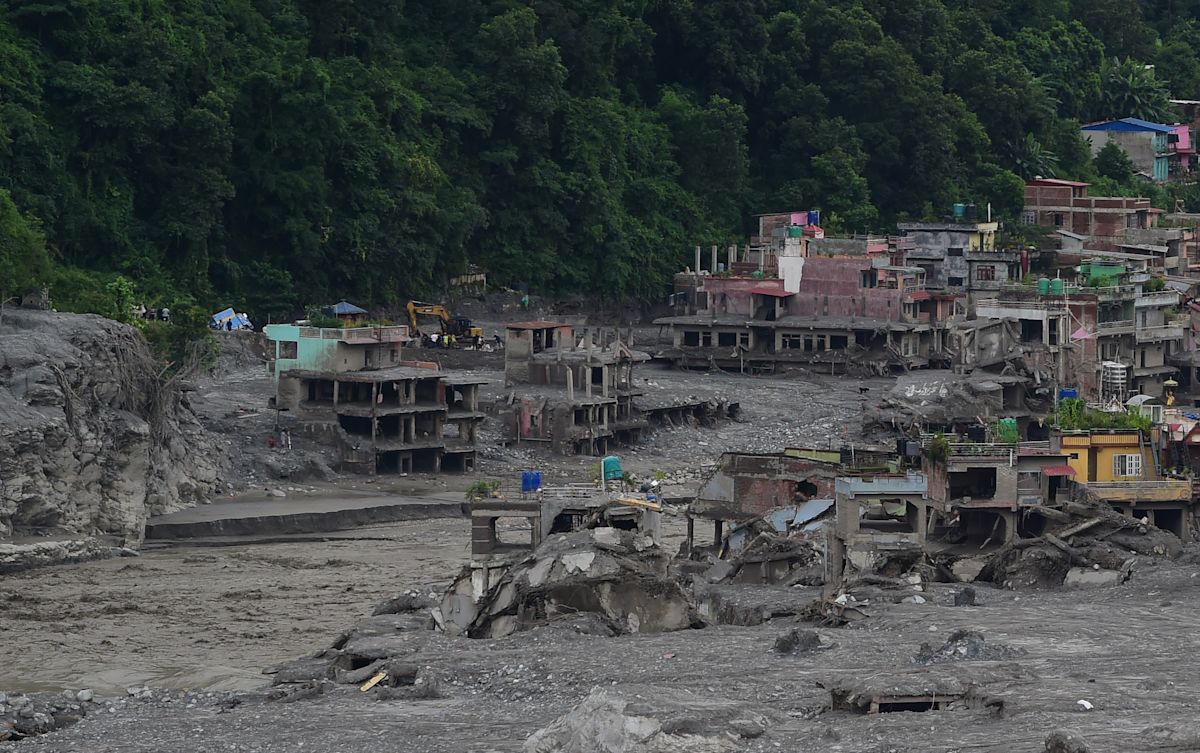
The tragic aftermath of a massive Himalayan glacier collapse continues to unfold, with the death toll reaching a staggering 797, with another 3,048 people reported missing. The disaster, which occurred in the mountainous regions of Nepal and China, has sent shockwaves across the globe, prompting an outpouring of international aid and solidarity.
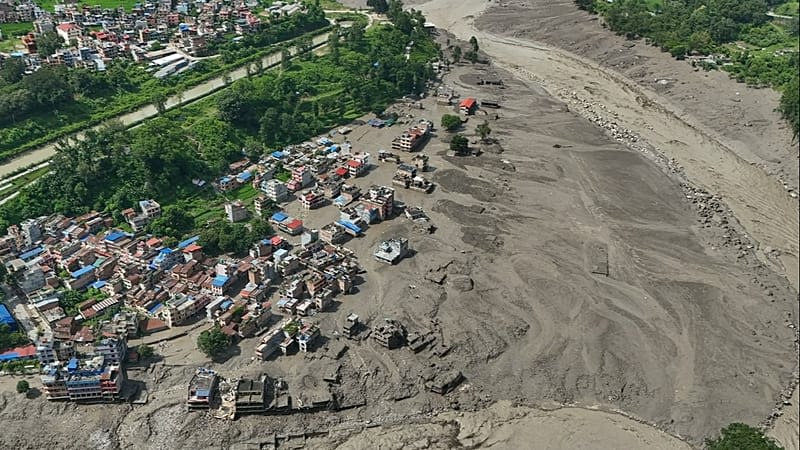
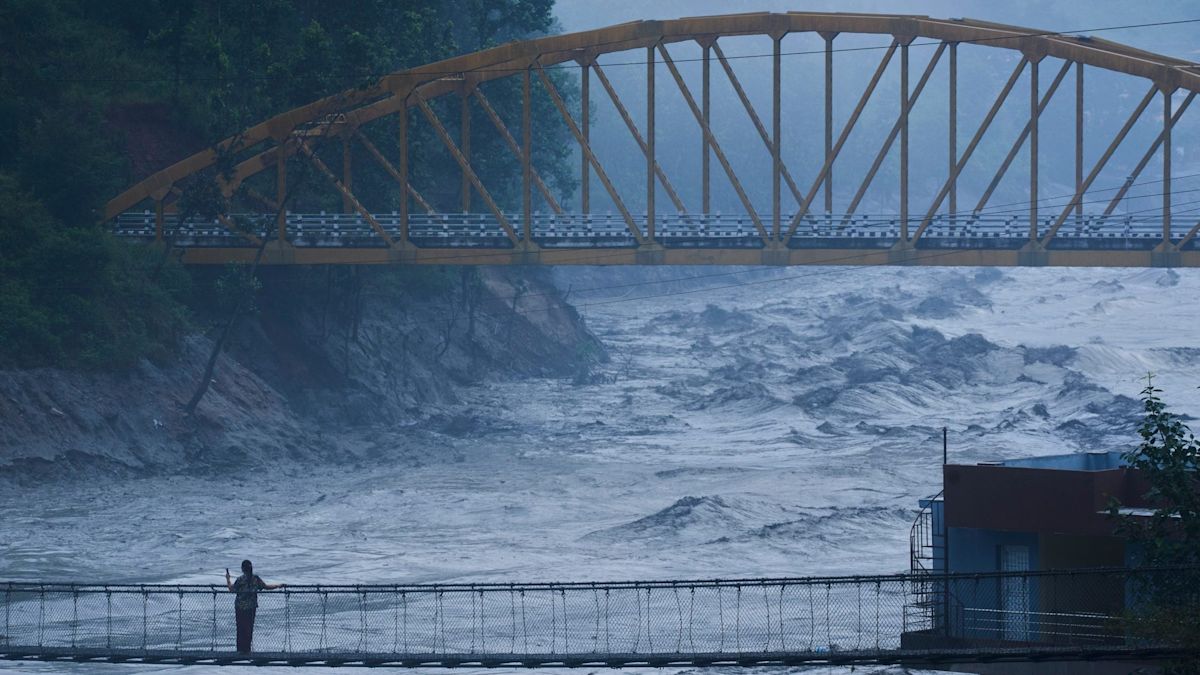
The catastrophic event took place on Wednesday when a portion of the glacier, located at an altitude of approximately 5,200 meters (17,000 feet), suddenly gave way. The resulting avalanche plunged around 1,200 meters (3,900 feet), gathering rock and debris along the way. The debris then collided with the Lende River, causing a massive flood that ravaged several villages in both Nepal and China.
Nepal has reported an updated toll of 781 deaths and 2,502 people missing, including 592 foreign nationals. In neighboring China, state broadcaster CCTV reported 16 deaths and 546 people missing, of which 261 were foreigners.
The disaster has left authorities grappling with the daunting task of search and rescue operations. However, efforts have been repeatedly hindered by poor weather conditions and the ongoing threat of fresh flooding. The collapse has also created a lake across the border between Nepal and China, which has begun overflowing into the Lhende and Trishuli Rivers, adding to the peril.
In the wake of the disaster, authorities in Nepal have initiated the process of burying some of the victims. Given the chaos and the floodwaters that carried many bodies away, many families have been left unable to locate and identify their loved ones. Mass burials for hundreds of unidentified victims have commenced in Nepal's scenic Chitwan district, known for its lush forests and rivers.
The Red Cross estimates that approximately 90,000 people in Nepal are likely affected by the disaster, including those who have lost their homes and livelihoods. The organization has been instrumental in providing relief and support to the affected communities.
International teams from India, China, and South Korea have joined the search-and-rescue efforts, while Malaysia has deployed its Special Malaysia Disaster Assistance Search and Rescue Team (SMART) and contributed $1 million in recovery assistance. The European Union has also pledged $2.3 million, and the International Federation of Red Cross and Red Crescent Societies (IFRC) has allocated over $1 million, with an emergency appeal for an additional $31 million.
The glacier collapse has served as a stark reminder of the environmental challenges facing the Himalayas and the surrounding regions. Scientists have long warned about the potential dangers of melting glaciers due to climate change, and this disaster appears to be a tragic example of the consequences of such changes.
As the world continues to grapple with the devastating effects of climate change, the tragedy in the Himalayas underscores the urgency of addressing environmental concerns and implementing measures to mitigate future disasters.
As the search and rescue operations continue, the global community remains vigilant, hoping for the safe recovery of those still missing and for the swift recovery of the affected communities. The disaster has highlighted the interconnectedness of our world and the collective responsibility we share in the face of such catastrophic events.




Comments (0)