 fitri-handayani
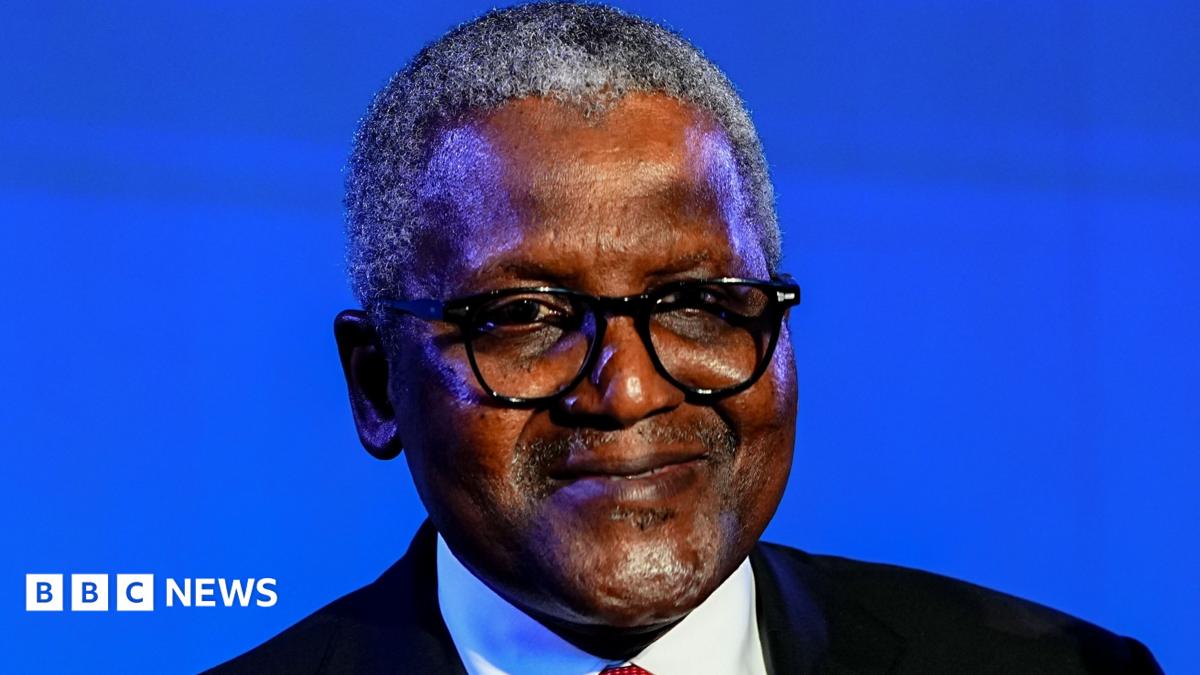
Nigerian industrialist Aliko Dangote and Kenyan President William Ruto are preparing to formally launch construction of a $16bn (£12bn) crude oil refinery in Lamu, a historic port town on Kenya's northern coast. The project, which is being described as the largest infrastructure undertaking in Kenya since the country gained independence in 1963, is set to begin construction on 1 November, according to the BBC.
Once operational, the facility is designed to process 700,000 barrels of crude oil per day, a capacity that would make it the biggest industrial project in East Africa by volume. That figure matches the processing capacity of Dangote's existing refinery in Nigeria, which has already established itself as a major player in Africa's downstream petroleum sector. East Africa currently has no functioning oil refineries, meaning the region relies heavily on imported refined products.
The scale of the Lamu development dwarfs previous flagship projects in Kenya. At $16bn, it is more than three times the cost of the $5.1bn (£3.9bn) Standard Gauge Railway, which had previously held the title of Kenya's largest post-independence infrastructure investment. The refinery will also include a 1,000-megawatt power plant, reflecting Dangote's broader strategy of integrating energy generation with industrial processing.
Ahead of the groundbreaking ceremony, some residents in Lamu took to the streets to demand greater compensation for land acquired for the refinery. The protests highlight longstanding tensions over land rights and displacement in coastal Kenya, where communities have often complained about being sidelined in major development projects. Land ownership in the region is frequently governed by customary arrangements, which can complicate formal acquisition processes and fuel disputes over adequate restitution.
In an interview with the BBC's Focus on Africa programme, Dangote downplayed the demonstrations, characterising them as the work of local marketers and international competitors rather than genuine community grievances. He disputed claims that his company had taken more land than necessary, stating that it had acquired only the portion required from land the government had made available. "Have you ever seen people demonstrating against themselves in terms of development?" he asked, suggesting he was unconcerned by the opposition.
Dangote also emphasised the economic benefits the refinery would bring to the region. At the peak of construction, he said, the project would generate 60,000 jobs, with knock-on effects extending well beyond direct employment. "Are we going to bring robots? Of course, the people will benefit," he remarked, dismissing suggestions that the project would rely on foreign labour rather than local workers.
The decision to site the refinery in Kenya has drawn scrutiny because the country is not itself an oil producer. Some critics have argued that Tanzania or Uganda would be more logical locations, given that both are moving toward crude oil exports through the East African Crude Oil Pipeline. Uganda in particular has been developing its Albertine Graben oilfields with the aim of becoming a regional exporter, while Tanzania has been positioning itself as a transit hub for Ugandan crude.
Kenya's Energy and Petroleum Minister, Opiyo Wandayi, rejected the notion that the refinery's location was a flaw. He told the BBC that the facility would not depend on crude from the immediate region. "Refineries get crude oil from the market. And the market is open," he said, pointing to the global nature of oil trading. Dangote echoed that argument by citing Singapore, a country with no domestic oil production that has nonetheless built one of the world's most important refining and petrochemical hubs. "Singapore doesn't produce a single drop of oil, yet they have a lot of refineries," he said.
Beyond fuel processing, the refinery's accompanying 1,000-megawatt power plant forms part of Dangote's wider ambition to tackle what he views as one of the biggest obstacles to African industrialisation: unreliable electricity. He has argued that many mineral-rich African countries continue to export raw materials rather than processing them locally, in part because they lack dependable power supplies. The Lamu plant is intended to serve both the refinery and other industries expected to emerge in the surrounding area, with Dangote describing the setup as "plug and play" for investors.
The businessman said he has approximately $50bn (£38bn) worth of projects in development across the continent, including plans to build 10,000 megawatts of power generation capacity by 2030, with the possibility of doubling that figure if demand warrants it. The Lamu refinery represents his largest proposed investment outside Nigeria, signalling a significant expansion of his influence in East Africa's energy landscape.
For Kenyan consumers, the project has raised hopes that greater domestic refining capacity could eventually translate into lower pump prices. Kenya currently has relatively high fuel costs, and a local refinery could reduce reliance on imported refined products and the associated freight and logistics expenses. However, analysts caution that crude oil prices are determined by international markets, meaning the cost of the main raw material would remain largely outside Kenya's control regardless of where refining takes place.
Dangote's Nigerian refinery, which also processes 700,000 barrels per day, is central to his broader corporate strategy. He plans to double that capacity after floating 4.1 million ordinary shares earlier this month in a move aimed at raising up to $2.1bn. The share sale reflects both investor confidence in his refining model and the substantial capital requirements of his expanding portfolio.
The Lamu project is scheduled to be completed by 2030, according to Dangote, who insisted the timeline remains intact despite the protests. If delivered as planned, the refinery would reshape East Africa's energy supply chain, reduce the region's dependence on imported refined fuels, and establish Kenya as an unexpected hub for petroleum processing. For now, the project stands at the intersection of ambitious industrial policy, global oil economics, and unresolved local grievances over land—a combination that will likely shape its political and social reception in the years ahead.








Comments (0)